Can a round aluminum heatsink be used in automotive electronics? That's a question I get asked a lot as a supplier of round aluminum heatsinks. And let me tell you, it's a topic that's got a lot of moving parts. So, let's dive in and explore whether these round aluminum heatsinks are a good fit for the automotive electronics world.
First off, let's talk about what automotive electronics actually are. Modern cars are like rolling computers, filled with all sorts of electronic components. You've got the engine control unit (ECU), which manages the engine's performance. There are also infotainment systems that keep us entertained on the road, and advanced driver - assistance systems (ADAS) that help keep us safe. All of these components generate heat as they operate, and if that heat isn't managed properly, it can lead to malfunctions or even permanent damage.
Now, why might a round aluminum heatsink be a good option for automotive electronics? Well, aluminum is a great material for heatsinks. It's lightweight, which is a huge plus in the automotive industry where every extra pound can affect fuel efficiency. Aluminum also has good thermal conductivity, meaning it can transfer heat away from the electronic components effectively.
The round shape of the heatsink can offer some unique advantages too. In a cramped automotive environment, a round heatsink might fit into spaces where a traditional rectangular heatsink just won't. It can also provide a more uniform distribution of heat around the component, which can be beneficial for maintaining consistent operating temperatures.
Let's take a look at some of the challenges, though. Automotive electronics operate in a harsh environment. They're exposed to high temperatures, vibrations, and sometimes even moisture. A round aluminum heatsink needs to be able to withstand these conditions. For example, the vibrations from the engine can cause stress on the heatsink, and if it's not properly designed, it could crack or come loose.


Another aspect to consider is the heat dissipation requirements. Different automotive electronic components have different heat loads. Some high - performance ECUs or power electronics might generate a significant amount of heat, and the round aluminum heatsink needs to be sized and designed appropriately to handle that.
When it comes to the types of round aluminum heatsinks we offer, we have a variety of options. Our heatsinks can be customized in terms of size, fin density, and surface treatment. For example, a higher fin density can increase the surface area available for heat transfer, but it might also increase the resistance to airflow.
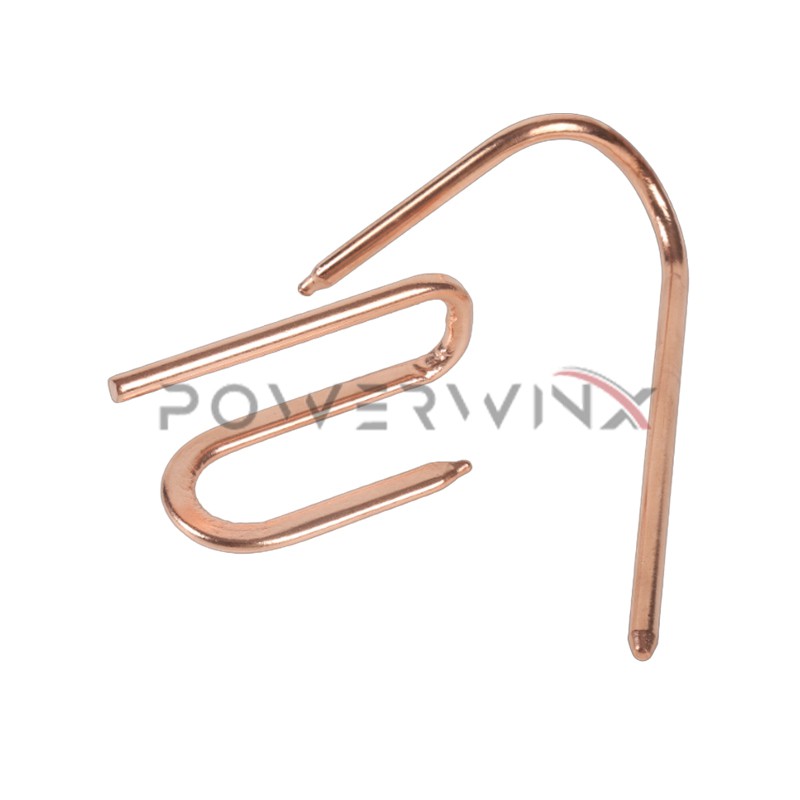
Now, let's compare round aluminum heatsinks with some other types of heatsinks. You might have heard of Copper Pipe Heat Sink. Copper has even better thermal conductivity than aluminum, but it's also heavier and more expensive. So, for applications where weight is a major concern, a round aluminum heatsink might be a better choice.
Stamped Fin Heat Sink is another option. These are often more cost - effective and can be mass - produced easily. However, they might not offer the same level of customization as our round aluminum heatsinks.
Aluminum Bonded Fin Heat Sink is also popular. It has good heat transfer capabilities, but the bonding process can add to the cost. Our round aluminum heatsinks can provide a good balance between cost, performance, and customization.
In the automotive industry, reliability is key. We test our round aluminum heatsinks rigorously to ensure they can withstand the harsh conditions of automotive use. We conduct thermal tests to measure how well they dissipate heat, as well as vibration and shock tests to simulate the conditions inside a moving vehicle.
Let's talk about installation. Installing a round aluminum heatsink in an automotive electronic system needs to be done carefully. It should be firmly attached to the component to ensure good thermal contact. We can provide guidelines and support to help with the installation process.
One of the great things about our round aluminum heatsinks is their versatility. They can be used in a wide range of automotive applications, from small sensors to large power electronics. Whether it's in a hybrid or electric vehicle, or a traditional gasoline - powered car, our heatsinks can play an important role in keeping the electronics cool.
So, to answer the question "Can a round aluminum heatsink be used in automotive electronics?" The answer is a resounding yes. With the right design, proper installation, and rigorous testing, our round aluminum heatsinks can be a reliable and effective solution for managing heat in automotive electronics.
If you're in the automotive industry and looking for a heat management solution, I'd encourage you to reach out to us. We can discuss your specific needs, provide samples, and work with you to develop the perfect round aluminum heatsink for your application. Let's work together to keep your automotive electronics running smoothly.
References
- Various industry reports on automotive electronics and heat management
- Technical literature on aluminum and its thermal properties
- In - house testing data on round aluminum heatsinks