


Hey there! As a supplier of Flat Heat Pipes, I've been getting a lot of questions lately about whether these nifty little devices can be used in 5G base stations. So, I thought I'd take a deep dive into this topic and share my thoughts with you all.
First off, let's talk a bit about what 5G base stations are and why they need effective cooling solutions. 5G technology is all about high - speed data transfer, low latency, and massive connectivity. To make this happen, 5G base stations are packed with high - power electronic components that generate a significant amount of heat. If this heat isn't managed properly, it can lead to reduced performance, shortened lifespan of the components, and even system failures.
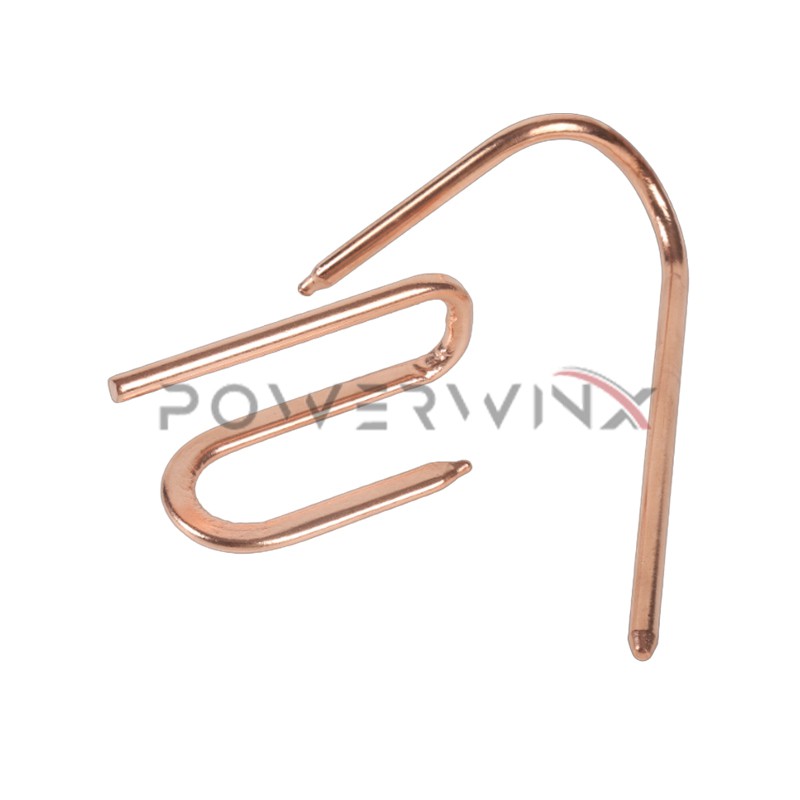

Now, let's introduce the star of the show: the Flat Heat Pipe. Flat heat pipes are a type of heat transfer device that work on the principle of phase change. Inside the heat pipe, there's a small amount of working fluid. When the heat pipe comes into contact with a hot surface (like the components in a 5G base station), the working fluid absorbs the heat and evaporates. The vapor then moves to the cooler end of the heat pipe, where it condenses back into a liquid, releasing the heat in the process. The condensed liquid then returns to the hot end through capillary action, and the cycle repeats.
So, can flat heat pipes be used in 5G base stations? The answer is a resounding yes, and here's why.
Advantages of Flat Heat Pipes in 5G Base Stations
1. High Heat Transfer Efficiency
Flat heat pipes are incredibly efficient at transferring heat. They can move large amounts of heat over relatively long distances with very little temperature difference between the hot and cold ends. In 5G base stations, where high - power components need to be cooled quickly, this high heat transfer efficiency is a game - changer. It ensures that the components stay within their optimal operating temperature range, which is crucial for maintaining performance and reliability.
2. Space - Saving Design
One of the challenges in designing 5G base stations is the limited space available. Flat heat pipes have a thin and flat profile, which makes them ideal for applications where space is at a premium. They can be easily integrated into the compact design of 5G base stations without taking up too much room. This is a significant advantage compared to other cooling solutions, such as traditional Round Heat Pipe or bulky heat sinks.
3. Flexibility in Installation
Flat heat pipes can be bent, shaped, and customized to fit the specific requirements of 5G base stations. This flexibility allows for more creative and efficient cooling designs. For example, they can be used to transfer heat from hard - to - reach components to a central cooling area. This adaptability makes them a great choice for the complex and diverse layouts of 5G base stations.
4. Reliability
Heat pipes are known for their reliability. They have no moving parts, which means there's less chance of mechanical failure. In a 5G base station, where continuous operation is essential, the reliability of the cooling system is of utmost importance. Flat heat pipes can provide long - term, stable cooling performance, reducing the need for frequent maintenance and replacements.
Real - World Applications and Case Studies
There are already several real - world examples of flat heat pipes being used in 5G base stations. In some cases, flat heat pipes have been integrated into the heat sinks of 5G power amplifiers. These amplifiers are one of the main heat - generating components in a base station, and the use of flat heat pipes has significantly improved their cooling efficiency. As a result, the amplifiers can operate at higher power levels without overheating, leading to better overall performance of the 5G network.
Another example is the use of flat heat pipes in the cooling of 5G radio units. By using flat heat pipes to transfer heat from the radio unit's internal components to an external cooling fin, the temperature of the radio unit can be effectively controlled. This has helped to extend the lifespan of the radio unit and reduce the risk of signal degradation due to overheating.
Challenges and Considerations
Of course, like any technology, there are also some challenges and considerations when using flat heat pipes in 5G base stations.
1. Cost
Flat heat pipes can be more expensive than some other cooling solutions, such as simple heat sinks. However, when you consider the long - term benefits in terms of performance, reliability, and reduced maintenance costs, the initial investment in flat heat pipes can be well worth it.
2. Compatibility
It's important to ensure that the flat heat pipes are compatible with the specific components and operating conditions of the 5G base station. This may require some customization and testing to make sure that the heat pipes can effectively transfer heat from the components and that they can withstand the environmental conditions in which the base station operates.
3. Design Complexity
Integrating flat heat pipes into a 5G base station design can be more complex than using other cooling solutions. It requires a good understanding of heat transfer principles and the specific requirements of the base station. However, as a supplier, we're here to help our customers with the design and implementation process to ensure a successful installation.
Conclusion
In conclusion, flat heat pipes are a viable and effective cooling solution for 5G base stations. Their high heat transfer efficiency, space - saving design, flexibility in installation, and reliability make them well - suited for the demanding requirements of 5G technology. While there are some challenges and considerations, the benefits far outweigh the drawbacks.
If you're involved in the design, construction, or operation of 5G base stations and are looking for a reliable and efficient cooling solution, I encourage you to consider using our Flat Heat Pipe. We have a wide range of flat heat pipes available, and our team of experts can work with you to find the best solution for your specific needs. Whether you need a standard product or a customized design, we're here to help.
Don't hesitate to reach out to us if you have any questions or if you're interested in discussing a potential purchase. We're always happy to have a chat and see how we can assist you in optimizing the cooling of your 5G base stations.
References
- "Heat Pipe Technology: Principles and Applications" by Peter Dunn and Dale Reay
- Industry reports on 5G base station cooling solutions
- Case studies from early adopters of flat heat pipes in 5G base stations


