


As a supplier of Round Heat Pipes, I've witnessed firsthand the critical role these components play in various industries, from electronics to aerospace. In this blog, I'll share insights on how to optimize the design of a round heat pipe, drawing on my years of experience and industry knowledge.
Understanding the Basics of Round Heat Pipes
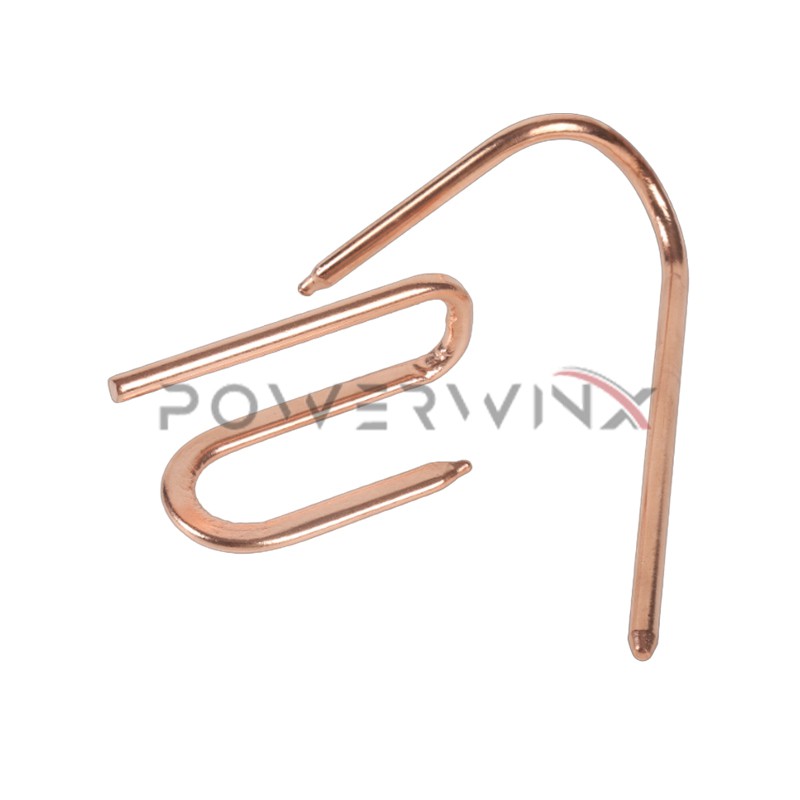
Before delving into optimization strategies, it's essential to understand the fundamental principles of round heat pipes. A round heat pipe is a sealed tube filled with a working fluid that transfers heat through a phase-change process. The pipe consists of three main sections: the evaporator, the adiabatic section, and the condenser.
In the evaporator section, heat is applied to the pipe, causing the working fluid to evaporate. The vapor then travels through the adiabatic section to the condenser, where it releases heat and condenses back into a liquid. The liquid is then returned to the evaporator by capillary action or gravity, completing the heat transfer cycle.
Factors Affecting Round Heat Pipe Performance
Several factors can influence the performance of a round heat pipe, including:
- Working Fluid: The choice of working fluid is crucial as it determines the operating temperature range and heat transfer capacity of the heat pipe. Common working fluids include water, ammonia, and methanol.
- Wick Structure: The wick structure plays a vital role in transporting the liquid back to the evaporator. Different wick structures, such as sintered powder, grooved, and mesh, offer varying levels of capillary force and permeability.
- Pipe Material: The material of the heat pipe affects its thermal conductivity and mechanical strength. Copper is a popular choice due to its high thermal conductivity and corrosion resistance.
- Pipe Diameter and Length: The diameter and length of the heat pipe impact its heat transfer capacity and pressure drop. Larger diameters generally offer higher heat transfer rates, while longer pipes may require additional support to prevent sagging.
- Operating Conditions: The operating temperature, pressure, and heat load can significantly affect the performance of the heat pipe. It's essential to design the heat pipe to operate within the specified conditions.
Optimization Strategies for Round Heat Pipe Design
Based on the factors mentioned above, here are some optimization strategies to enhance the performance of round heat pipes:
- Select the Right Working Fluid: Choose a working fluid that matches the operating temperature range and heat load of your application. Consider factors such as boiling point, latent heat, and chemical compatibility.
- Optimize the Wick Structure: Select a wick structure that provides sufficient capillary force to transport the liquid back to the evaporator. Consider the porosity, permeability, and thickness of the wick.
- Choose the Right Pipe Material: Select a pipe material with high thermal conductivity and mechanical strength. Copper is a popular choice for its excellent thermal properties and corrosion resistance.
- Optimize the Pipe Diameter and Length: Determine the optimal diameter and length of the heat pipe based on the heat transfer requirements and available space. Consider the pressure drop and the need for additional support.
- Consider the Operating Conditions: Design the heat pipe to operate within the specified temperature, pressure, and heat load conditions. Consider factors such as the orientation of the heat pipe and the presence of external heat sources.
Case Study: Optimizing a Round Heat Pipe for a High-Power Electronics Application
To illustrate the optimization process, let's consider a case study of a high-power electronics application. The goal is to design a round heat pipe that can effectively transfer heat from a high-power CPU to a heat sink.
- Determine the Heat Load: The first step is to determine the heat load generated by the CPU. This can be done by referring to the manufacturer's specifications or by measuring the power consumption of the CPU.
- Select the Working Fluid: Based on the operating temperature range and heat load, we select water as the working fluid. Water has a high latent heat and is compatible with copper, which is the material of the heat pipe.
- Optimize the Wick Structure: We choose a sintered powder wick structure for its high capillary force and permeability. The sintered powder wick provides a large surface area for liquid-vapor exchange, enhancing the heat transfer efficiency.
- Choose the Right Pipe Material: We select copper as the pipe material due to its high thermal conductivity and corrosion resistance. Copper is also readily available and cost-effective.
- Optimize the Pipe Diameter and Length: Based on the heat transfer requirements and available space, we determine the optimal diameter and length of the heat pipe. We choose a diameter of 6 mm and a length of 150 mm to ensure efficient heat transfer.
- Consider the Operating Conditions: We design the heat pipe to operate in a vertical orientation to take advantage of gravity-assisted liquid return. We also ensure that the heat pipe is properly insulated to minimize heat loss.
By following these optimization strategies, we were able to design a round heat pipe that effectively transferred heat from the CPU to the heat sink, reducing the operating temperature of the CPU and improving its performance.

Conclusion
Optimizing the design of a round heat pipe requires a thorough understanding of the fundamental principles of heat transfer and the factors that affect heat pipe performance. By selecting the right working fluid, optimizing the wick structure, choosing the right pipe material, and considering the operating conditions, you can enhance the performance of your round heat pipe and meet the specific requirements of your application.
If you're interested in learning more about round heat pipes or need assistance with optimizing the design of your heat pipe, please visit our website at Round Heat Pipe. We also offer a range of Flat Heat Pipes for applications where space is limited. Contact us today to discuss your specific needs and explore how our heat pipes can help you achieve your thermal management goals.
References
- Incropera, F. P., & DeWitt, D. P. (2002). Fundamentals of heat and mass transfer. John Wiley & Sons.
- Kaviany, M. (1995). Principles of heat transfer in porous media. Springer.
- Tien, C. L., & Vafai, K. (1994). Heat transfer in porous media. Springer.


