Introduction
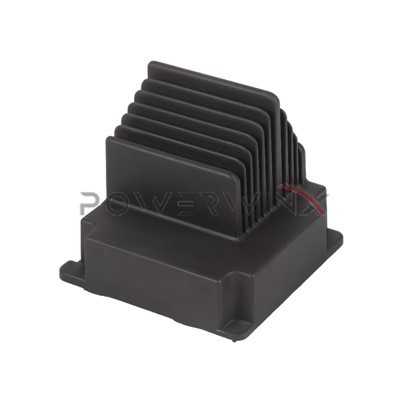
Pin fin heat sinks do a great job keeping things cool in all sorts of electronics and industrial gear. They look a bit different from the usual heat sinks - instead of flat fins, you get a bunch of pins, either round or square, sticking out from a solid base. This design isn't just for show. It actually gives you more surface area and lets air flow in from different directions, which pulls heat away faster than the old straight-fin style. That's why engineers turn to pin fin heat sinks when they need to keep powerful devices running safely.
Basic Working Principle of Pin Fin Heat Sinks
A pin fin heat sink's main job is to pull heat away from whatever's getting hot and push it out into the air. Heat travels from the device into the base of the heat sink, then spreads out along the pins. Those pins stick out and give the air plenty of surface to grab the heat, so convection works really well. This setup shines in places where the air swirls around or comes from different directions.
Structural Design Characteristics
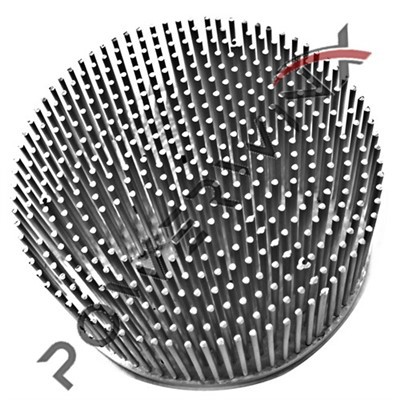
Pin fin heat sinks use pins-sometimes round, sometimes square, sometimes shaped more like ovals-lining them up in neat, even rows. Designers play around with the spacing, height, and diameter of these pins to get the best mix of airflow and heat transfer. Unlike plate fins, pin fins don't care much which way the air flows. That makes them a solid pick for tricky cooling setups where the air swirls or comes in from all directions.
Why Pin Fin Heat Sinks Are Highly Efficient
Pin fin heat sinks really shine when you need to pull more heat out of tight spaces. Those three-dimensional pins pack in a lot of surface area, so you get better heat transfer without making the whole thing bulky. That's why you'll see these heat sinks in small electronics, crowded power modules, or anywhere you just don't have room to spare.

Pin Fin Heat Sinks
Aluminum as a Material for Pin Fin Heat Sinks
People usually go with aluminum for pin fin heat sinks. It's got a great mix-lightweight, conducts heat well, doesn't rust easily, and doesn't break the bank. Plus, making these heat sinks from aluminum is pretty straightforward, especially with cold forging. You'll find them everywhere: in consumer electronics, power supplies, LED lights, even car electronics.
Copper as a Material for Pin Fin Heat Sinks
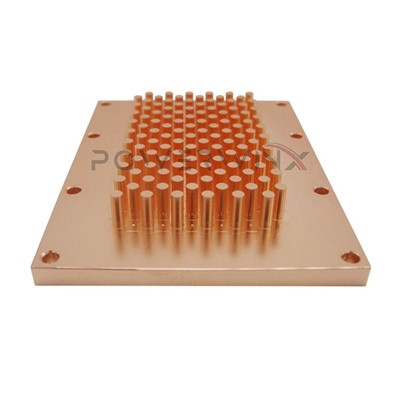
Copper pin fin heat sinks handle heat better than aluminum ones. Sure, copper costs more and weighs more, but when you need to move a lot of heat fast-think high-performance computers, telecom gear, or serious industrial machines-copper just works. People pick copper pin fins when they want the best cooling possible.
Comparison Between Aluminum and Copper Pin Fin Heat Sinks
If you're weighing aluminum against copper pin fin heat sinks, here's what matters: thermal performance, weight, cost, and how easy they are to make. Aluminum's lighter and cheaper, and it still does a decent job moving heat. Copper handles heat better, no question, but it's heavier and costs more. In the end, you pick based on how much heat you need to manage and how much you can spend.
Cold Forging as the Most Common Manufacturing Method
Cold forging stands out as the go-to way to make pin fin heat sinks. Basically, you take a solid chunk of metal and shape both the base and the pins at room temperature using a ton of pressure. The result? You get a solid, seamless piece that's dense and great at moving heat-plus, it's tough. That's why cold forging is the top choice for heat sinks that need to perform.


Hydraulic forging press schematic of forging process
Advantages of Cold Forged Pin Fin Heat Sinks
Cold forged pin fin heat sinks come with some real perks. Because cold forging lines up the grain structure, you get better thermal conductivity. They're tough, too, and the pins are shaped with serious precision. No joints or bonds means less thermal resistance getting in the way. Plus, cold forging makes it easy to produce a lot of heat sinks, all with the same reliable quality.
Cold Forging Process Explained
Cold forging starts when you drop a carefully cut metal slug into a die. Next comes the real force-intense pressure pushes the metal so it fills every pin cavity, shaping the base and pins all at once. Once that's done, you might run the part through CNC machining, surface finishing, or anodizing, depending on what the design or function calls for.
Design Flexibility in Cold Forged Pin Fin Heat Sinks
Cold forging gives engineers a lot of room to play with pin shapes, densities, and heights. They can tweak designs to get just the right airflow or improve thermal performance for whatever job's at hand. It works with both aluminum and copper too, so it's a pretty flexible process all around.
Applications of Pin Fin Heat Sinks in Electronics
You'll find pin fin heat sinks in all sorts of power electronics-think inverters, converters, and other semiconductor gear. They're great at pulling heat away, even when space is tight. That's why engineers turn to them for cooling in industrial control systems, data centers, and communication equipment.
Pin Fin Heat Sinks
Use of Pin Fin Heat Sinks in LED and Lighting Systems
High-power LED systems get pretty hot, and that heat can mess with their performance and how long they last. Pin fin heat sinks do a solid job at keeping things cool by holding down those junction temperatures. People really like using aluminum pin fin heat sinks for LED lighting, mostly because they're light and don't cost much.
Automotive and Transportation Applications
When it comes to automotive electronics, you really can't overstate the importance of reliability and thermal stability. That's why pin fin heat sinks show up everywhere-from power modules in electric vehicles to battery management systems and onboard chargers. They're tough, they pull heat away fast, and, honestly, they keep things running smoothly even when the environment gets rough.
Industrial and Renewable Energy Applications
You'll find pin fin heat sinks all over renewable energy gear-think solar inverters and wind power converters. They handle heat really well, which keeps everything running steady, even outside or when things get hot.
Surface Treatments and Finishing Options
To boost both performance and lifespan, people often treat pin fin heat sinks with surface finishes like anodizing, plating, or special coatings. Anodizing aluminum protects it from corrosion and helps it shed heat by radiation. On the other hand, plating copper surfaces keeps oxidation at bay.
Quality Control and Performance Testing
High-quality pin fin heat sinks go through tough inspections and real thermal tests. People check their dimensions, make sure the pins are solid, and measure how well they handle heat-just to be sure they'll actually work. Cold forged heat sinks usually come out super consistent, all thanks to how precise the forging process is.
Future Trends in Pin Fin Heat Sink Technology
As electronic devices get more powerful, they generate more heat-so we need better ways to cool them down. Pin fin heat sinks keep improving, with smarter shapes, better materials, and new manufacturing tricks like advanced cold forging and hybrid methods. The push for efficient cooling isn't slowing down anytime soon.
Conclusion
Pin fin heat sinks get the job done when it comes to keeping things cool. You'll find them made from aluminum or copper, shaped by cold forging, and built to last. They're tough, perform well, and you can tweak their design to fit just about any need. That's why engineers keep reaching for them in all sorts of projects-they simply work.
PowerWinx is a professional manufacturer specializing in high-quality heat sink solutions and advanced thermal management products. With strong expertise in aluminum and copper heat sinks, cold forging technology, CNC machining, and precision manufacturing, PowerWinx supports global customers across electronics, automotive, and industrial sectors with reliable, efficient, and customized cooling solutions.