Introduction
You'll find powder coated heat sinks just about everywhere-electronics, industrial machines, cars, telecom equipment, LED lights, even renewable energy gear. They do more than just keep things cool. The powder coating protects the surface, makes the whole thing tougher, and honestly, gives it a slick finish. Unlike old-school liquid paints, powder coating doesn't bring all those environmental headaches, which is why it's getting more popular every year. Manufacturers love these heat sinks because they last, fight off corrosion, handle heat well, and can be customized with different colors. Basically, they tick all the boxes: looks, performance, and durability.
Understanding Powder Coated Heat Sinks
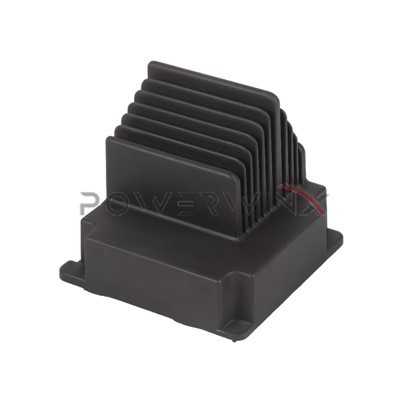
Powder coated heat sinks play a key role in keeping electronics cool, but they don't just focus on function. They get an extra layer of powder coating on the outside, which makes them tougher and lets manufacturers adjust how they look, too. The coating process itself is pretty modern-they spray on a dry powder using electrostatic guns and then bake it until it forms a solid, tough shell.
These days, more companies are asking for powder coated heat sinks because they need parts that can handle rough environments. Think outdoor electronics or gear installed in damp factories-there's a real risk of corrosion, moisture, and chemical exposure. The powder coating shields the metal, usually aluminum, from all that. It helps the heat sinks last and still look good over time.
A lot of people worry that coating a heat sink will make it worse at losing heat. That's not really the case if you use today's thin, carefully engineered powders. These coatings are designed to keep thermal resistance nice and low, so you still get solid heat transfer without sacrificing protection. That's why folks use powder coated heat sinks when they want something that's both tough and good-looking.
There's another plus: powder coating is cleaner than old-school liquid painting. Traditional paints can send a bunch of nasty chemicals into the air, but powder coating cuts down on all that. The extra powder can usually be swept up and reused, which makes the whole thing more sustainable. Companies trying to go green almost always pick powder coating for this reason.
When it comes to style, there are tons of finishes available-matte, shiny, textured, or even a metallic look. Black ones are everywhere because black helps radiate heat and looks professional at the same time. But if you want to match a certain color theme or brand style, custom options are easy to get these days.

Powder Coated Heat Sinks
Advantages of Powder Coated Heat Sinks in Industrial Applications
Powder coated heat sinks really stand out for their strong resistance to corrosion. Think about aluminum heat sinks sitting outside in telecom cabinets or solar panels-they get hit with rain, humidity, and all sorts of grime. The powder coating acts like a tough shield, stopping oxidation and helping these parts last much longer.
Durability is another huge plus. Powder coated surfaces hold up great against scratches, bumps, and regular wear-much better than most old-school paints. That's a game changer for gear that gets jostled around, like automotive electronics or industrial machines. Because of this extra toughness, the heat sinks stay in good shape, even after years of use.
Looks matter, too. Today's electronics have to work well, sure, but they've also got to look sharp. Powder coating delivers a smooth, uniform finish that makes things like LED lights and consumer gadgets much more attractive. And manufacturers get to pick from a range of colors and textures, which helps keep products in line with their brand or what their customers want.
There's another neat benefit: a bit of electrical insulation. Some powder coatings give a little extra barrier that lowers the risk of accidental electrical contact. It's not a full replacement for purpose-built insulation, of course, but in some situations, every bit of protection helps.
Cleaning is simpler, too. Powder coated surfaces are smooth and don't grab on to dust or dirt like bare metal does. This is a big deal for industries where cleanliness really counts-like medical devices, food processing equipment, and outdoor electronics.
All told, powder coating isn't just about looks or basic protection. It's a smart move for companies that want their electronics to last. With less corrosion and damage, these heat sinks need fewer repairs and replacements. That saves money, cuts down on hassle, and keeps everything running smoothly for years.
Manufacturing Process and Material Selection for Powder Coated Heat Sinks
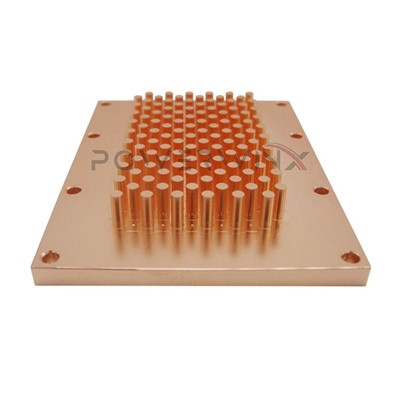
Making a powder coated heat sink starts with picking the right material. Most people go with aluminum-it's got that sweet spot of being light, affordable, and great at moving heat. If you need something even better at transferring heat, like for performance-heavy electronics, copper is the go-to, though it's pricier.
Once you've chosen your material, you make the actual heat sink. A lot of companies use aluminum extrusion; it's cheap and fast for standard designs. If the shape's pretty complex, die casting is the way to go. Skived fin heat sinks are great when you want lots of thin fins packed closely together, which really ramps up the cooling.
Before any powder coating happens, prepping the surface is huge. Honestly, it matters just as much as the coating itself. You need to clean off every bit of oil, dust, and oxidation. Sometimes they'll sandblast or run chemical treatments so the powder sticks well. If you skip this step or skimp on it, the coating just won't hold up.
Here's where the actual powder coating comes in: you spray a charged powder onto the grounded heat sink using special equipment. Once it's all covered, the heat sink goes into an oven. That's where the powder melts and cures into a tough, protective layer. Getting the coating thickness right is key-too thick and you mess with the thermal performance, too thin and you lose durability.
After coating, it's time for quality checks. Manufacturers inspect everything-adhesion, coating thickness, hardness, corrosion resistance, and how well the heat is transferred. For stuff like cars, planes, telecom gear, or medical devices, there's just no room for error. These all need to meet some pretty strict standards.
And then there's customization. A lot of customers want something tailored-maybe a specific size, special fin design, custom mounting holes, even certain colors or logos. Thanks to CNC machines and precise tools, manufacturers can deliver heat sinks that match all sorts of unique needs and specs. So, in the end, you get a powder coated heat sink that's just right for your application.
Applications of Powder Coated Heat Sinks Across Different Industries
Powder coated heat sinks pop up in all sorts of industries these days, mainly because electronic devices get pretty hot while they're running. If you don't manage that heat, things can go downhill fast-think glitches, shorter lifespans, or even total breakdowns.
LED lighting is a huge one. Those bright little LEDs might look innocent, but they pump out a surprising amount of heat for their size. That heat has to go somewhere, or the lights start to fade and don't last as long. You'll find powder coated aluminum heat sinks in everything from street lights to office fixtures and fancy architectural installations. They're tough, they look good, and since they're out in the open a lot, that finish helps them blend in or stand out where it counts.
Telecom gear leans on powder coated heat sinks too. All those outdoor cabinets and shiny new 5G setups have to keep running through rain, sun, dust-you name it. Corrosion resistance isn't just nice to have, it's a dealbreaker. The powder coating shields the metal and keeps crucial communication equipment cool and protected, no matter the weather.
Cars might not be the first place you'd think to look, but automotive electronics use these heat sinks a ton. Electric vehicles, onboard chargers, batteries, even LED headlights-they all need solid cooling solutions that can put up with bumps, moisture, and nuts temperature swings. Powder coated finishes give them that extra edge in durability.
The same goes for factories, renewable energy gear like wind turbines and solar inverters, and medical devices. Medical equipment, especially, needs to be clean and sharp-looking, so powder coating is a go-to for heat sinks there. It keeps temperatures steady even when machines are running nonstop.
Even in gadgets and home electronics, looks do matter. Game consoles, amps, custom PCs-manufacturers use powder coated heat sinks because they handle heat and actually make the products look better. When everyone's fighting to stand out, it's no wonder more designers and engineers are picking powder coated heat sinks for their latest projects.
Choosing the Right Powder Coated Heat Sink Supplier
Picking the right powder coated heat sink supplier really shapes the quality and durability of your final product. You want a company that knows its stuff-solid engineering, top-notch equipment, and tough quality checks. Experience with thermal management is a must too, since heat sinks play a huge role in whether your electronics run well or not.
Don't just take a supplier's word for it-dig into their actual capabilities. If they can handle everything in-house, like extrusion, die casting, CNC machining, skiving, and all kinds of finishes, that's a huge plus. One-stop shops like these usually move faster, keep quality tight, and save you a ton of back-and-forth during development.
Always look at their quality certifications. ISO-certified suppliers have to follow strict production and inspection routines, so you're a lot less likely to get nasty surprises. This isn't just a box to check-industries like automotive, medical, or aerospace often demand suppliers meet these global standards.
Hands-on engineering support matters just as much. The best suppliers aren't just order takers-they'll help you refine your heat sink's design, juggle performance, airflow, weight, and cost. Good engineers use simulation and thermal analysis tools to settle on the best approach before you even think about volume production.
If you're selling worldwide, global supply chops make a difference. Reliable logistics, strong packaging, and on-time delivery take a lot of the headache out of international orders. The best exporters know their way around global standards, paperwork, and cross-border snarls.
And don't forget about customization. Every electronic project has its quirks. Your supplier should be flexible enough to work from your drawings or specs-and quick with answers when you need to tweak something. In the end, clear communication and fast, thoughtful service really separate the pros from the rest.
Summary Table
|
Feature |
Details |
|
Material Options |
Aluminum, copper, extruded aluminum, die cast aluminum |
|
Surface Finish |
Powder coating with various colors and textures |
|
Advantages |
Corrosion resistance, durability, improved appearance |
|
Applications |
LED lighting, automotive electronics, telecom equipment |
|
Heat Dissipation |
Efficient thermal management with proper design |
|
Environmental Benefit |
Low VOC emissions and eco-friendly process |
|
Customization |
Available in different shapes, colors, and dimensions |
|
Manufacturing Methods |
Extrusion, skiving, CNC machining, die casting |
PowerWinx is a professional manufacturer specializing in aluminum heat sinks, skived fin heat sinks, die casting, CNC machining, brazing heat sinks, and liquid cold plates. We provide customized thermal management solutions for telecom, automotive, industrial, and electronics industries. With strong engineering support, advanced production equipment, and strict quality control, PowerWinx delivers reliable and high-performance cooling products to global customers.

ISO 9001 / IATF 16949