Introduction
Soldering heat sinks offer a smarter way to attach fins to a heat sink base. Instead of using screws or high-heat brazing, they rely on lead-free, medium-temperature soldering. This approach keeps temperatures lower, which helps protect delicate electronic parts. It also works well for mass production, and you don't have to worry about using harmful materials. All in all, it's a reliable option when you need both solid thermal contact and mechanical strength without cranking up the heat.
Definition of a Soldering Heat Sink
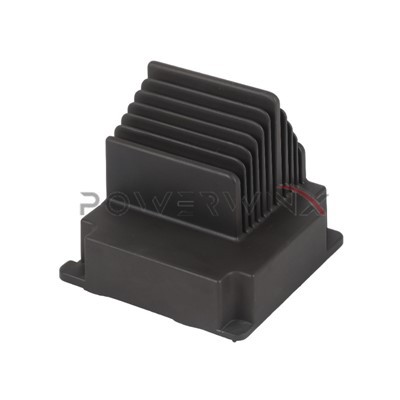
A soldering heat sink is basically a setup where the fins and the base are permanently attached using lead-free solder, so it's more of a welded bond than just being stuck together. Usually, the fins come as one continuous piece, made with stamping tools, and the base is just a flat plate that's really good at spreading out heat. When you solder the fins to the base, you get solid thermal conductivity and the whole thing stays reliable over time.
Core Design Concept of Soldered Fin Heat Sinks
Soldered fin heat sinks work by bonding the fins right to the base, metal to metal. No air gaps, no loose parts-just a solid connection that lets heat move out faster. Welding the fins like this cuts down thermal resistance and helps the whole thing shed heat more efficiently.
Use of Environmental Protection Lead-Free Solder
Modern soldering heat sinks use lead-free solder to meet global environmental rules. These materials work at mid-range temperatures, so they form strong joints without putting too much heat stress on components. Going lead-free also fits with sustainable manufacturing.

Soldering Heat Sink
Stamping Tooling for Continuous Fin Design
Most soldering heat sink designs use stamping tools to make the fins. This way, manufacturers get consistent, precise shapes every time. Continuous fins boost the heat dissipation area and help air flow evenly-great for things like power electronics and LEDs.
Aluminum Fins and Aluminum Base Structure
People use aluminum for soldering heat sinks all the time because it's light, handles heat well, and won't break the bank. When you're putting together an aluminum heat sink, you need to weld those stamped fins right to the base. The tricky part? Aluminum likes to form an oxide layer on its surface, and that layer really gets in the way when you try to solder.
Nickel Plating Requirement for Aluminum Soldering
To solder aluminum fins onto an aluminum base, you need to coat the contact surfaces with nickel first. This nickel layer helps the solder stick better and keeps the metal from oxidizing while you work. Once the nickel's on, spread tin paste over the joint area so the high-temperature weld holds strong.
High-Temperature Tin Paste Soldering Process
To solder aluminum heat sinks, you use tin-based solder paste between the nickel-plated fins and the base. Next, heat the whole thing until the solder melts and locks everything together. Careful temperature control keeps the solder layer even and cuts down on gaps or bubbles.
Copper Fins and Copper Base Soldering Advantages
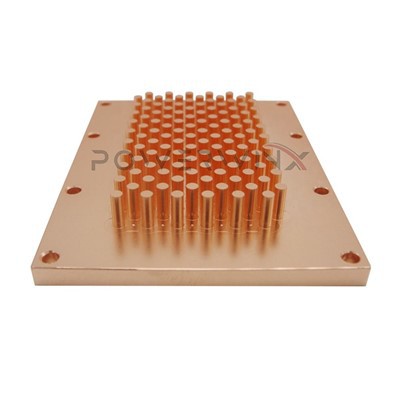
Copper heat sinks really outshine aluminum when it comes to moving heat. If you use copper for both the fins and the base, soldering gets a lot easier. You can just weld the copper pieces together at 140 to 180 degrees Celsius-no need to mess around with nickel plating.
Medium-Temperature Soldering for Copper Materials
You can solder copper fins to a copper base at just 140 to 180 degrees Celsius, which really speeds things up. Since the temperature's lower, there's less thermal stress, better yield, and faster production. That's why copper soldering heat sinks work so well in high-performance and precision electronics.
Comparison Between Aluminum and Copper Soldering Heat Sinks
Aluminum heat sinks are lighter and cost less, but copper ones handle heat better. With aluminum, you'll need to add nickel plating and crank up the soldering temperature. Copper skips that hassle-you can solder it directly at moderate temperatures. In the end, your pick comes down to how much heat you need to manage, your budget, and what the job actually calls for.
Thermal Performance Characteristics
Soldered joints pull heat straight from the base into the fins, so you get solid thermal contact. This setup moves heat quickly-right out from the source, through the fins, and into the air. Soldered heat sinks really shine when you're working in tight spaces or dealing with a lot of heat.
Mechanical Strength and Structural Stability
Soldering forms a tough, reliable bond between the fins and the base. Unlike adhesive bonding, soldered heat sinks hold up better against vibrations and last longer. That's why you'll see them used in places like factories, cars, and power electronics-anywhere durability really matters.
Applications of Soldering Heat Sinks
You'll find soldering heat sinks everywhere-power supplies, LED lights, communication gear, inverters, and control systems. They strike a good balance between how well they work, what they cost, and meeting environmental standards, so a lot of industries stick with them.
Manufacturing Consistency and Mass Production
Stamping and soldering work great for mass production. Once you've set up the tools and dialed in the process, you get steady quality, consistent results, and prices that stay competitive-especially when you're making a lot of soldering heat sinks.
Quality Control in Soldering Heat Sink Production
Quality control starts with a good look-visual inspections catch obvious flaws. Then comes testing how strong the solder joints are and checking how the parts handle heat. Getting the plating thickness right, using the right amount of solder paste, and keeping a close eye on soldering temperature really matter. These steps keep everything running reliably.
Design Considerations for Soldering Heat Sinks
When you're designing, you have to think about fin thickness, how far apart the fins sit, the base thickness, and what material you're using. Get those details right, and you end up with better airflow, less pressure drop, and solid heat dissipation. It also helps to loop in the manufacturer early on so you can make sure soldering goes smoothly.
Environmental and Regulatory Compliance
Lead-free soldering heat sinks meet RoHS and other international environmental standards, so they're ready for global markets and help support more sustainable manufacturing.
Future Development of Soldering Heat Sink Technology
As electronic devices get more powerful, we're seeing big changes in how we cool them. Soldering heat sinks isn't what it used to be. Now, companies are pushing for better solder materials, smarter fin designs, and faster ways to make these parts. Medium-temperature soldering still stands out as an important piece of the puzzle.
Conclusion
Soldering heat sinks with lead-free, medium-temperature solder gives you a solid, eco-friendly way to manage heat. The continuous stamped fins, welded firmly to the base, pull their weight-keeping things cool and holding up well in today's electronics.
PowerWinx is a professional heat sink manufacturer in China with strong expertise in soldering heat sink technology. The company specializes in lead-free soldered heat sinks, stamped fin structures, aluminum and copper thermal solutions, brazed heat sinks, skived fin heat sinks, and liquid cold plates. PowerWinx provides stable quality, flexible customization, and cost-effective thermal solutions for global customers.