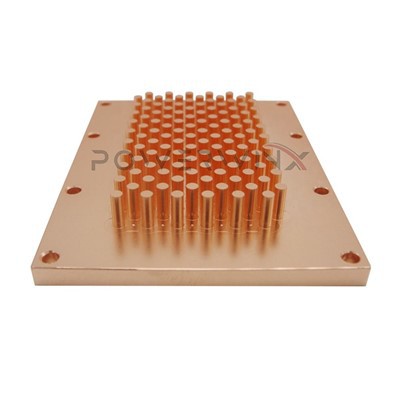
As a seasoned supplier of Skived Fin Heat Sinks, I've encountered numerous inquiries regarding the susceptibility of these heat sinks to mechanical damage. In this blog post, I aim to delve into this topic, providing a comprehensive analysis based on scientific principles and real - world experiences.
Understanding Skived Fin Heat Sinks
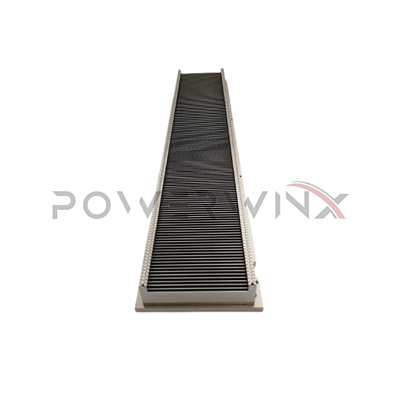
Skived fin heat sinks are a popular choice in thermal management solutions. They are manufactured through a skiving process, where thin fins are cut from a solid block of metal, typically copper or aluminum. This results in a high - density fin structure that offers excellent thermal conductivity and a large surface area for heat dissipation.
The skiving process creates a continuous fin with a smooth surface, which enhances the heat transfer efficiency. The fins are integral to the base, ensuring a low - thermal resistance path for heat to flow from the heat source to the surrounding environment.
Factors Affecting Mechanical Damage
Material Properties
The choice of material plays a crucial role in determining the mechanical strength of skived fin heat sinks. Copper is known for its high thermal conductivity but is relatively softer compared to aluminum. This means that copper skived fin heat sinks may be more prone to scratches and dents during handling and installation. On the other hand, aluminum is lighter and has better corrosion resistance. It also offers sufficient mechanical strength for most applications, making it a popular choice for general - purpose heat sinks.
Fin Geometry
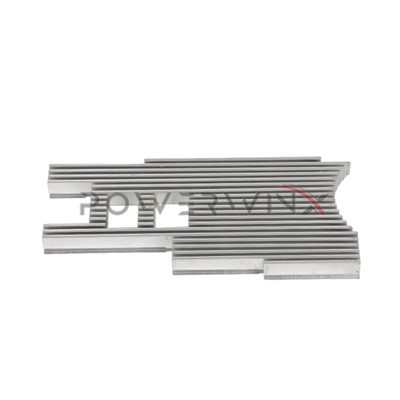
The geometry of the fins, such as their height, thickness, and spacing, can significantly impact the mechanical integrity of the heat sink. Taller and thinner fins are more flexible and may be more susceptible to bending or breaking under mechanical stress. Close - spaced fins can also increase the risk of damage, as debris or foreign objects may get trapped between them, causing local stress concentrations.
Manufacturing Quality
The quality of the manufacturing process is another important factor. A well - made skived fin heat sink with precise cutting and proper finishing will have better mechanical properties. Imperfections in the cutting process, such as rough edges or uneven fin thickness, can weaken the fins and make them more likely to fail under stress.
Types of Mechanical Damage
Bending and Buckling
During transportation or installation, skived fin heat sinks may be subjected to bending forces. If the force exceeds the yield strength of the material, the fins can bend or buckle. This not only affects the appearance of the heat sink but can also reduce its thermal performance. Bending can change the fin spacing, which disrupts the airflow and reduces the heat transfer efficiency.
Fracture
In more severe cases, the fins can fracture. This can occur due to excessive impact or vibration. A fractured fin loses its ability to transfer heat effectively, and if multiple fins are damaged, the overall thermal performance of the heat sink can be severely compromised.
Scratching
Scratching is a common form of mechanical damage that can occur during handling. While a single scratch may not have a significant impact on the thermal performance, multiple scratches can increase the surface roughness of the fins. This can lead to increased air resistance and reduced heat transfer coefficients.
Mitigating Mechanical Damage
Packaging
Proper packaging is essential to protect skived fin heat sinks during transportation. Using shock - absorbing materials, such as foam or bubble wrap, can help cushion the heat sink and prevent it from being damaged by impacts. Custom - designed packaging can also ensure that the heat sink is held securely in place, reducing the risk of movement and damage.
Handling and Installation Guidelines
Providing clear handling and installation guidelines to customers can help minimize mechanical damage. For example, instructing installers to use proper tools and techniques, such as gentle clamping and avoiding excessive force, can prevent bending and fracturing of the fins.
Reinforcement
In some applications where the heat sink is likely to be subjected to high mechanical stress, reinforcement techniques can be employed. This may include adding support structures or using thicker base materials to enhance the overall mechanical strength of the heat sink.
Comparison with Other Heat Sink Types
When comparing skived fin heat sinks with other types of heat sinks, such as Aluminum Cold Forged Heat Sink, Copper Heat Pipes Heat Sink, and Copper Cold Forged Heat Sink, each has its own characteristics in terms of mechanical damage.
Cold - forged heat sinks, whether made of aluminum or copper, generally have a more robust structure. The forging process compresses the metal, resulting in a denser and stronger material. This makes them less likely to be damaged by mechanical stress compared to skived fin heat sinks.
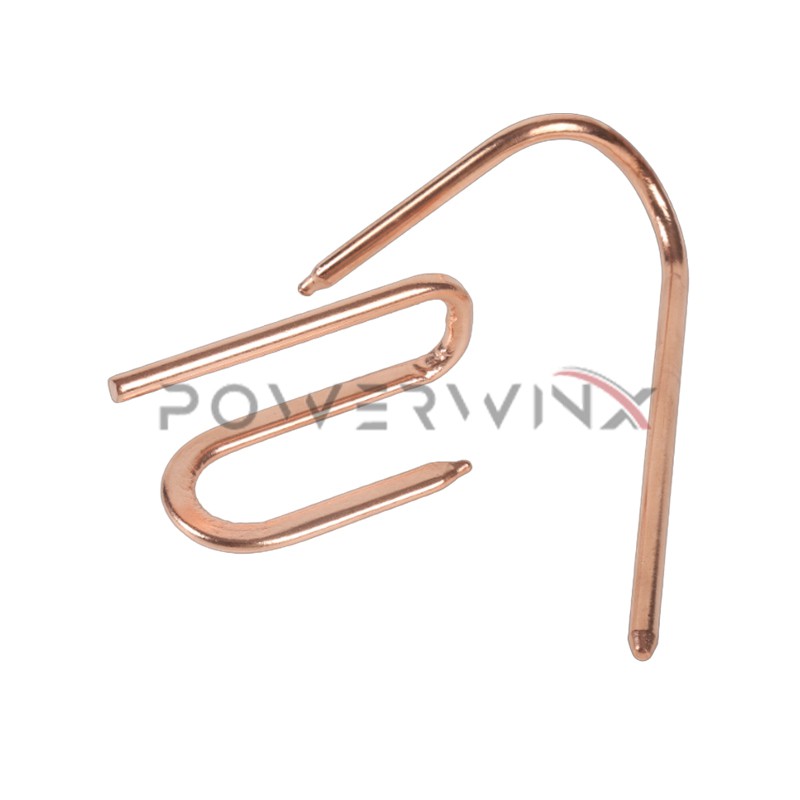
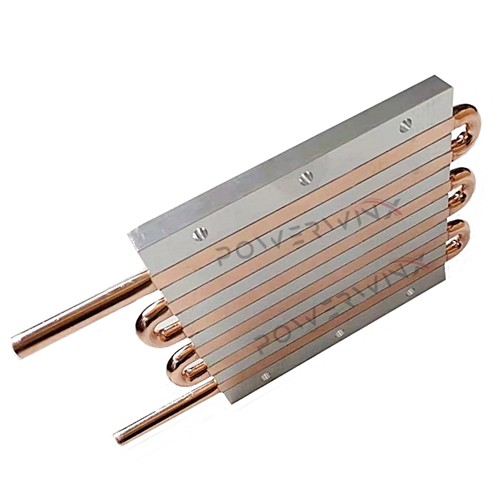
Heat pipes heat sinks, on the other hand, rely on heat pipes to transfer heat. While the heat pipes themselves are relatively robust, the fins attached to them can be similar to skived fin heat sinks in terms of mechanical susceptibility. However, the overall design of heat pipes heat sinks may incorporate additional support structures to enhance their mechanical integrity.
Real - World Examples
In the electronics industry, skived fin heat sinks are widely used in laptops and servers. In laptops, the heat sink is often located in a confined space, and during the assembly process, there is a risk of the fins being bent or damaged. To address this, manufacturers have developed special installation procedures and use protective covers to prevent damage.
In server applications, skived fin heat sinks are exposed to continuous vibration from fans and other components. Over time, this can lead to fatigue failure of the fins. To mitigate this, some server manufacturers use vibration - damping materials and design the heat sink mounting system to reduce the transmission of vibration.
Conclusion
Skived fin heat sinks can be prone to mechanical damage, but the risk can be effectively managed through proper material selection, fin geometry design, manufacturing quality control, and appropriate handling and installation practices. By understanding the factors that contribute to mechanical damage and taking proactive measures to prevent it, we can ensure that skived fin heat sinks perform reliably in various applications.


If you are in the market for high - quality skived fin heat sinks or have any questions about thermal management solutions, I encourage you to reach out for a procurement discussion. We are committed to providing you with the best products and services to meet your specific needs.
References
- Incropera, F. P., & DeWitt, D. P. (2002). Fundamentals of Heat and Mass Transfer. John Wiley & Sons.
- Cengel, Y. A. (2003). Heat Transfer: A Practical Approach. McGraw - Hill.
- ASM Handbook Committee. (1990). ASM Handbook Volume 2: Properties and Selection: Nonferrous Alloys and Special - Purpose Materials. ASM International.