As a supplier of Stacked Fin Heat Sinks, I've often been asked whether these heat sinks can be used in home appliances. In this blog post, I'll explore the feasibility, advantages, and potential applications of stacked fin heat sinks in the context of home appliances.
Understanding Stacked Fin Heat Sinks
Stacked fin heat sinks are a type of passive cooling device designed to dissipate heat from electronic components. They consist of multiple fins stacked together, creating a large surface area for heat transfer. The fins are typically made of materials with high thermal conductivity, such as aluminum or copper, which allows them to efficiently absorb and transfer heat away from the source.
The design of stacked fin heat sinks offers several advantages over other types of heat sinks. Firstly, the stacked fin configuration provides a high surface area-to-volume ratio, which enhances the heat transfer efficiency. This means that more heat can be dissipated in a smaller space, making stacked fin heat sinks ideal for applications where space is limited. Secondly, the modular nature of stacked fin heat sinks allows for easy customization. Different numbers and sizes of fins can be stacked together to meet the specific thermal requirements of a particular application.
Feasibility of Using Stacked Fin Heat Sinks in Home Appliances
Home appliances generate varying amounts of heat during operation, and effective thermal management is crucial to ensure their reliable performance and longevity. Many modern home appliances, such as refrigerators, washing machines, dryers, and ovens, contain electronic components that produce heat, including motors, control boards, and power supplies. Stacked fin heat sinks can be a viable solution for cooling these components.
One of the key factors determining the feasibility of using stacked fin heat sinks in home appliances is the heat dissipation capacity required. The heat load of a home appliance depends on the power consumption and operating conditions of its electronic components. For example, a high - end refrigerator with advanced features may have a larger heat load compared to a basic model. Stacked fin heat sinks can be designed to handle a wide range of heat loads by adjusting the number, size, and material of the fins.
Another important consideration is the available space within the home appliance. Stacked fin heat sinks can be designed in compact sizes, making them suitable for use in appliances with limited internal space. Their modular design also allows for flexibility in installation, as they can be customized to fit into different shapes and configurations.
Advantages of Using Stacked Fin Heat Sinks in Home Appliances
1. Energy Efficiency
By effectively dissipating heat from electronic components, stacked fin heat sinks can help improve the energy efficiency of home appliances. When components operate at lower temperatures, they tend to consume less power and have a longer lifespan. For example, a cooler motor in a washing machine will require less energy to run, resulting in lower electricity bills for the user.
2. Reliability and Durability
Excessive heat can cause electronic components to degrade over time, leading to malfunctions and reduced lifespan. Stacked fin heat sinks help maintain a stable operating temperature, which enhances the reliability and durability of home appliances. This means fewer breakdowns and less frequent replacement of parts, saving the user both time and money.
3. Noise Reduction
Some home appliances, such as air conditioners and fans, use active cooling methods like fans, which can generate noise. Stacked fin heat sinks are passive cooling devices, which means they do not require additional moving parts to operate. This results in quieter operation of the home appliance, providing a more comfortable living environment.
Potential Applications in Home Appliances
1. Refrigerators
Refrigerators contain compressors and control boards that generate heat during operation. Stacked fin heat sinks can be used to cool these components, ensuring efficient operation and preventing overheating. By keeping the compressor and control board at optimal temperatures, the refrigerator can maintain a consistent internal temperature, preserving food quality.
2. Washing Machines and Dryers
Washing machines and dryers have motors and electronic control systems that produce heat. Stacked fin heat sinks can be installed near these components to dissipate the heat, improving the energy efficiency and reliability of the appliances. A cooler motor will also reduce the risk of overheating and potential damage to the appliance.
3. Ovens and Microwaves
Ovens and microwaves have power supplies and control circuits that generate heat. Stacked fin heat sinks can help manage the heat generated by these components, ensuring safe and reliable operation. They can also prevent the overheating of internal components, which could lead to malfunctions or even fire hazards.
Comparison with Other Types of Heat Sinks
While stacked fin heat sinks offer many advantages, it's also important to compare them with other types of heat sinks commonly used in home appliances.
Round Aluminum Heatsink
Round aluminum heatsinks, such as those available at Round Aluminum Heatsink, have a unique circular shape. They are often used in applications where a more aesthetically pleasing or space - efficient design is required. However, their heat dissipation capacity may be limited compared to stacked fin heat sinks, especially for high - heat applications. Stacked fin heat sinks can be designed to have a larger surface area for heat transfer, making them more suitable for applications with higher heat loads.
CNC Machined Copper Heat Sink
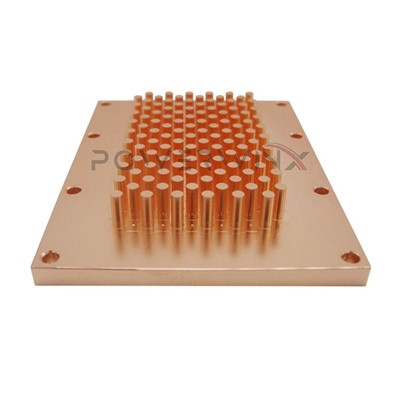
CNC Machined Copper Heat Sink has excellent thermal conductivity due to the use of copper. Copper is a better conductor of heat than aluminum, which means it can transfer heat more efficiently. However, copper is also more expensive than aluminum. Stacked fin heat sinks made of aluminum offer a good balance between cost and performance, making them a more cost - effective option for many home appliance applications.
Extruded Aluminum Heat Sink
Extruded Aluminum Heat Sink is another common type of heat sink. They are produced by an extrusion process, which allows for the creation of complex shapes. However, the design flexibility of extruded aluminum heat sinks may be limited compared to stacked fin heat sinks. Stacked fin heat sinks can be easily customized in terms of fin number, size, and spacing, making them more adaptable to different thermal requirements.
Conclusion
In conclusion, stacked fin heat sinks can be effectively used in home appliances. Their high heat dissipation efficiency, energy - saving potential, reliability, and design flexibility make them a suitable choice for cooling electronic components in a wide range of home appliances. Whether it's a refrigerator, washing machine, or oven, stacked fin heat sinks can help improve the performance and longevity of these appliances.


If you're a home appliance manufacturer or a distributor looking for a reliable thermal solution, we invite you to contact us for more information about our Stacked Fin Heat Sinks. We can provide customized solutions to meet your specific thermal requirements and help you enhance the performance of your home appliances.
References
- Incropera, F. P., & DeWitt, D. P. (2002). Fundamentals of Heat and Mass Transfer. John Wiley & Sons.
- Bergman, T. L., Lavine, A. S., Incropera, F. P., & DeWitt, D. P. (2011). Introduction to Heat Transfer. John Wiley & Sons.