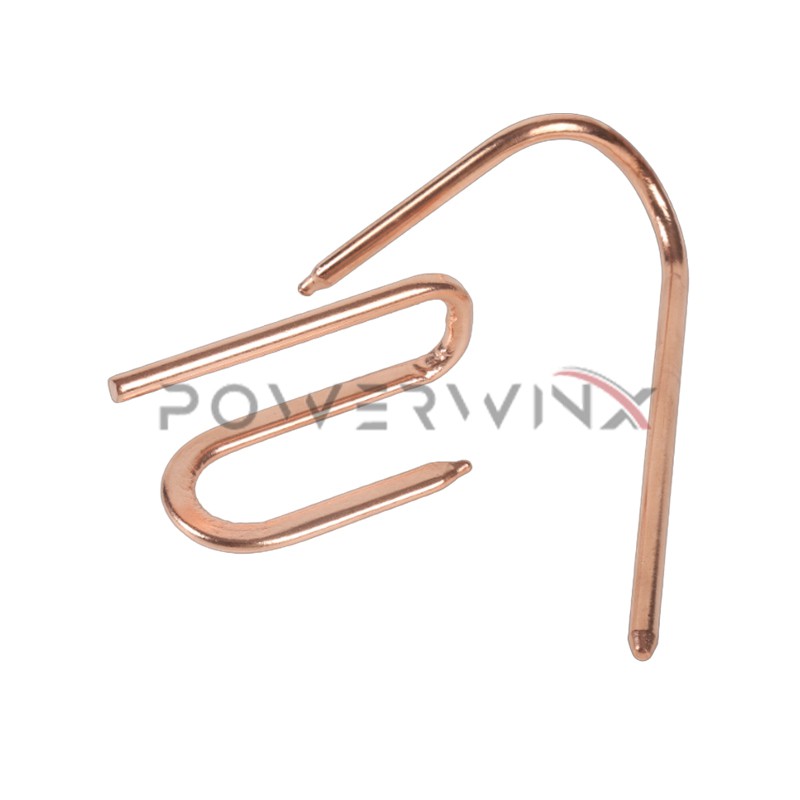
Cold forged heat sinks are a popular choice for thermal management in various applications due to their high efficiency and excellent heat dissipation capabilities. As a leading supplier of cold forged heat sinks, we often receive inquiries about their suitability for underwater equipment. In this blog post, we will explore the feasibility of using cold forged heat sinks in underwater applications, considering factors such as material properties, corrosion resistance, and thermal performance.
Understanding Cold Forged Heat Sinks
Cold forging is a manufacturing process that involves shaping metal at room temperature using high pressure. This process results in heat sinks with superior mechanical properties, including high strength and density. Cold forged heat sinks are typically made from aluminum alloys, which offer excellent thermal conductivity and are lightweight. The precise shaping capabilities of cold forging allow for the creation of complex geometries, optimizing the surface area for heat dissipation.
Key Considerations for Underwater Use
When considering the use of cold forged heat sinks in underwater equipment, several factors must be taken into account:
Corrosion Resistance
Underwater environments are highly corrosive, primarily due to the presence of saltwater. Saltwater contains various ions that can react with metals, leading to corrosion. Aluminum, the most common material for cold forged heat sinks, forms a thin oxide layer on its surface, which provides some protection against corrosion. However, this layer may not be sufficient in highly corrosive environments. To enhance corrosion resistance, additional protective coatings can be applied to the heat sink. These coatings act as a barrier between the metal and the corrosive environment, preventing direct contact and reducing the risk of corrosion.
Thermal Performance
The thermal performance of a heat sink is crucial in underwater applications, as efficient heat dissipation is necessary to prevent overheating of the equipment. Cold forged heat sinks offer high thermal conductivity, allowing for effective heat transfer from the heat source to the surrounding water. However, the thermal conductivity of water is relatively low compared to air, which can affect the overall heat dissipation rate. To compensate for this, the design of the heat sink may need to be optimized to increase the surface area in contact with the water, thereby enhancing heat transfer.
Sealing and Waterproofing
Underwater equipment requires proper sealing and waterproofing to prevent water ingress, which can damage the electronic components. The heat sink must be integrated into the equipment in a way that ensures a watertight seal. This may involve using gaskets, O - rings, or other sealing materials to prevent water from reaching the heat source and causing short - circuits or other malfunctions.
Advantages of Cold Forged Heat Sinks in Underwater Applications
Despite the challenges, cold forged heat sinks offer several advantages for underwater equipment:


High Strength
The cold forging process results in heat sinks with high strength, which is essential for withstanding the pressure and mechanical stresses in underwater environments. This ensures the long - term durability of the heat sink and the overall reliability of the equipment.
Customization
Cold forging allows for the production of heat sinks with custom shapes and sizes. This is particularly beneficial for underwater equipment, where space constraints and specific design requirements may exist. Custom - designed heat sinks can be tailored to fit the exact specifications of the equipment, optimizing thermal performance and space utilization.
Efficient Heat Dissipation
Cold forged heat sinks have excellent thermal conductivity, which is crucial for dissipating heat in underwater applications. The high surface area and precise geometries achievable through cold forging enhance heat transfer, ensuring that the equipment operates within the optimal temperature range.
Case Studies and Applications
There are several real - world applications where cold forged heat sinks have been successfully used in underwater equipment. For example, in underwater sensors and monitoring devices, cold forged heat sinks help to dissipate the heat generated by the electronic components, ensuring accurate and reliable operation. These heat sinks are designed to be compact and efficient, fitting into the limited space available in underwater housings.
Comparison with Other Heat Sink Types
In addition to cold forged heat sinks, there are other types of heat sinks available, such as Heatsink Extrusion Profiles, LED Heatsink, and Die Cast Aluminum Heat Sink. Each type has its own advantages and disadvantages.
Extruded heat sinks are cost - effective and easy to manufacture, but they may have limitations in terms of shape complexity. LED heat sinks are specifically designed for LED lighting applications and may not be suitable for all underwater equipment. Die - cast aluminum heat sinks offer good thermal performance but may have lower strength compared to cold forged heat sinks.
Conclusion
In conclusion, cold forged heat sinks can be used in underwater equipment, provided that the appropriate measures are taken to address the challenges associated with the underwater environment. By considering factors such as corrosion resistance, thermal performance, and sealing, cold forged heat sinks can provide an effective solution for thermal management in underwater applications.
If you are interested in using cold forged heat sinks for your underwater equipment or have any questions about our products, we encourage you to contact us for a detailed discussion. Our team of experts is ready to assist you in finding the best thermal solution for your specific needs.
References
- ASM Handbook Volume 2: Properties and Selection: Nonferrous Alloys and Special - Purpose Materials. ASM International.
- Aluminum Association. Aluminum Design Manual.
- Perry, R. H., & Green, D. W. (Eds.). Perry's Chemical Engineers' Handbook. McGraw - Hill.