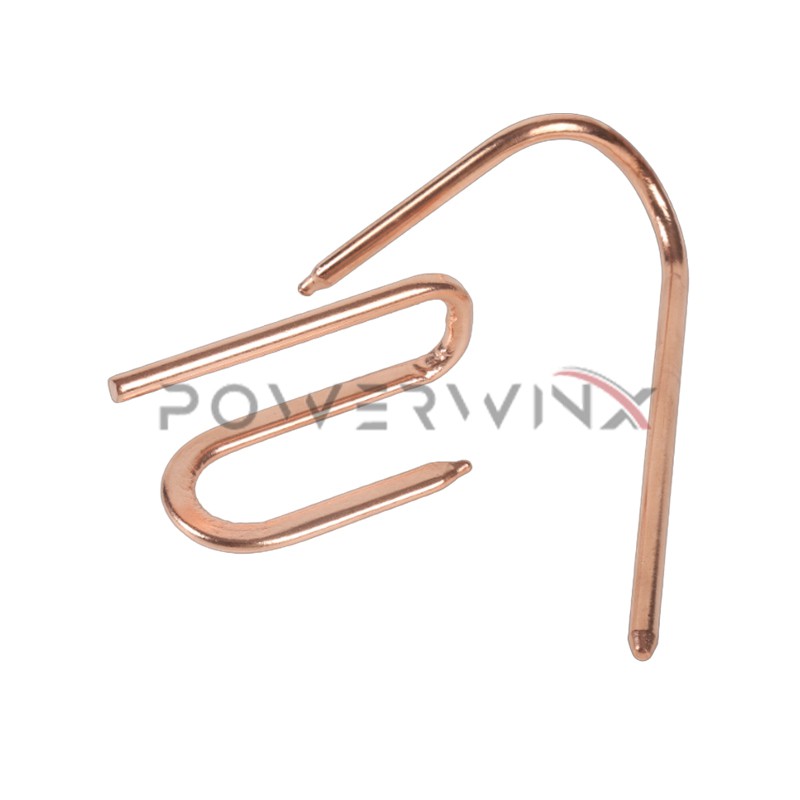
What is the heat radiation rate of a soldering heat sink? Well, let me tell you, as a soldering heat sink supplier, I've been dealing with this question quite a lot.
First off, the heat radiation rate of a soldering heat sink is super important. It's all about how well the heat sink can transfer the heat away from the soldering area. You see, when you're soldering, there's a whole lot of heat generated. If that heat isn't dissipated properly, it can cause all sorts of problems, like damaging the components or even affecting the quality of the solder joint.
So, what factors affect the heat radiation rate? There are quite a few. One of the main ones is the material of the heat sink. For example, aluminum is a popular choice for heat sinks because it has good thermal conductivity. Aluminum can quickly transfer the heat from the soldering point to the rest of the heat sink, and then radiate it into the surrounding environment. You can check out our Aluminum Extrusion Heat Sink for more details on this type of heat sink.
Another factor is the design of the heat sink. The shape and structure of the heat sink can have a big impact on its heat radiation rate. A heat sink with a larger surface area will generally have a higher heat radiation rate because it has more area to radiate the heat. For instance, some heat sinks have fins or other structures that increase the surface area. You can take a look at our Heatsink Extrusion Profiles to see some different designs.
The airflow around the heat sink also matters. If there's good airflow, it can carry away the heat more effectively. That's why in some cases, fans are used in conjunction with heat sinks to improve the heat dissipation.
Let's talk a bit more about the calculation of the heat radiation rate. There are some formulas and methods to figure this out, but it can get a bit technical. In general, the heat transfer rate (Q) can be calculated using Fourier's law of heat conduction, which is Q = -kA(dT/dx), where k is the thermal conductivity of the material, A is the cross - sectional area through which heat is transferred, and dT/dx is the temperature gradient.
However, in real - world applications, things are a bit more complicated. There are also other forms of heat transfer involved, like convection and radiation. Convection occurs when the heated air around the heat sink rises and is replaced by cooler air. Radiation is the emission of electromagnetic waves from the heat sink surface.
When it comes to soldering heat sinks, we offer a wide range of products. Our CNC Machined Aluminum Heat Sink is a great option. It's precisely machined to ensure high - quality performance. The CNC machining process allows for very accurate dimensions and a smooth surface finish, which can enhance the heat transfer efficiency.
We've done a lot of testing on our heat sinks to ensure they meet high standards. We measure the heat radiation rate under different conditions, such as different soldering temperatures and airflow rates. This helps us to optimize the design and material selection of our heat sinks.
If you're in the market for a soldering heat sink, you need to consider your specific requirements. For example, if you're working with high - power soldering equipment, you'll need a heat sink with a high heat radiation rate. On the other hand, if you're doing small - scale soldering, a smaller and less powerful heat sink might be sufficient.
We understand that every customer has different needs, and that's why we're here to help. Whether you're a professional in the electronics manufacturing industry or a hobbyist, we can provide you with the right soldering heat sink.


If you're interested in our products, don't hesitate to reach out. We're always happy to have a chat about your needs and how our heat sinks can meet them. We can offer you detailed product information, technical support, and even samples if you want to test them out.
In conclusion, the heat radiation rate of a soldering heat sink is a crucial factor in ensuring the proper functioning of soldering equipment. By choosing the right heat sink, you can improve the efficiency and quality of your soldering work. So, if you're looking for a reliable soldering heat sink supplier, we're here for you. Let's have a discussion and find the best solution for your soldering needs.
References:
- Incropera, F. P., & DeWitt, D. P. (2002). Fundamentals of Heat and Mass Transfer. Wiley.
- Holman, J. P. (2009). Heat Transfer. McGraw - Hill.