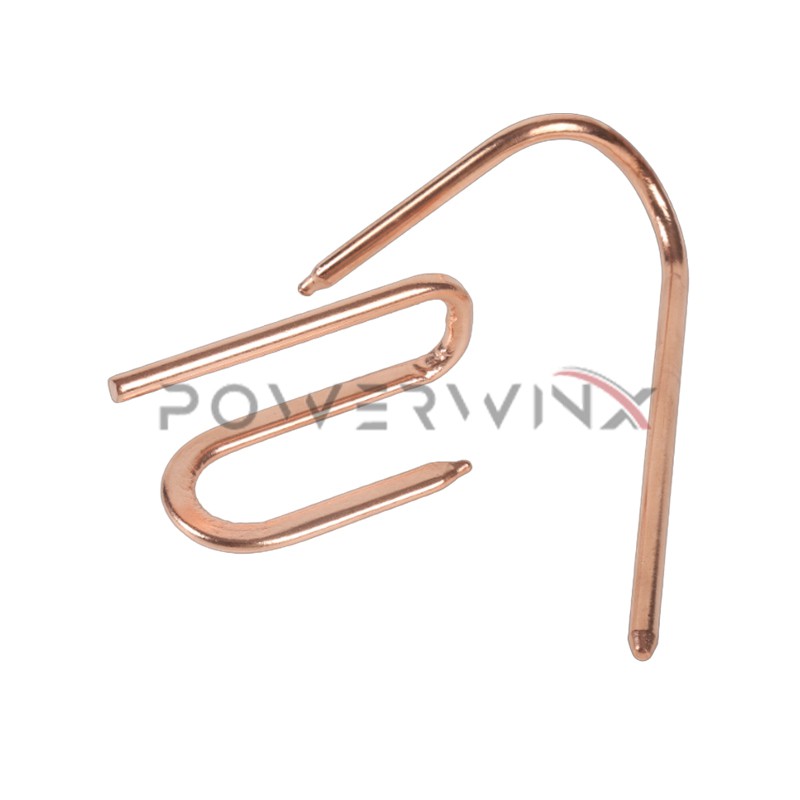
Can round heat pipes be used in food processing equipment cooling?
Hey there! I'm a supplier of Round Heat Pipes, and I often get asked if these pipes can be used for cooling food processing equipment. Well, let's dive right into it and find out.
First off, let's understand what round heat pipes are. A Round Heat Pipe is a highly efficient heat transfer device. It works on the principle of phase change. Inside the pipe, there's a working fluid. When heat is applied at one end (the evaporator section), the fluid absorbs the heat and evaporates. The vapor then travels to the cooler end (the condenser section), where it releases the heat and condenses back into a liquid. This liquid then flows back to the evaporator section by capillary action or gravity, and the cycle repeats.
Now, let's talk about food processing equipment. This kind of equipment often generates a lot of heat during the processing. For example, in baking ovens, the high - temperature environment is necessary for cooking the food, but at the same time, the surrounding components need to be cooled to prevent overheating and damage. In meat processing, grinding and mixing machines can also heat up due to friction.


So, can round heat pipes be used for cooling in this scenario? The answer is a big yes!
One of the main advantages of using round heat pipes in food processing equipment is their high thermal conductivity. They can transfer heat much more efficiently than traditional metal conductors like copper or aluminum rods. This means that they can quickly remove heat from the hot components of the food processing equipment, keeping the temperature under control.
Another benefit is their compact size. Food processing facilities often have limited space. Round heat pipes are relatively small and can be easily integrated into the existing equipment design. They don't take up a lot of room, which is crucial when you're trying to maximize the use of space in a processing plant.
In terms of food safety, round heat pipes can be made from materials that are food - grade and compliant with relevant regulations. For example, copper heat pipes can be used as long as they are properly coated or treated to prevent any potential contamination of the food. The working fluid inside the heat pipe can also be selected to be non - toxic and safe in case of any accidental leakage.
Let's compare round heat pipes with Flat Heat Pipe. Flat heat pipes have a larger surface area for heat transfer, which can be beneficial in some applications. However, round heat pipes are more flexible in terms of installation. They can be bent and routed more easily around different components in the food processing equipment. This makes them a great choice when you need to work around complex machinery layouts.
In some food processing operations, such as in the production of dairy products, precise temperature control is essential. Round heat pipes can help achieve this. They can be designed to transfer heat at a specific rate, ensuring that the equipment operates within the desired temperature range. This is important for maintaining the quality and safety of the food products.
However, there are also some challenges when using round heat pipes in food processing equipment. One of the main challenges is the potential for corrosion. The food processing environment can be quite harsh, with the presence of acids, salts, and moisture. To overcome this, proper coatings and materials need to be selected for the heat pipes. For example, using stainless - steel heat pipes or applying anti - corrosion coatings can help extend the lifespan of the heat pipes.
Another challenge is the cost. Round heat pipes can be more expensive than some traditional cooling methods. But when you consider the long - term benefits, such as improved equipment performance, reduced maintenance costs, and better food quality, the investment can be well worth it.
In conclusion, round heat pipes can definitely be used in food processing equipment cooling. They offer high thermal efficiency, compact size, and flexibility in installation. With proper design and material selection, they can meet the requirements of food safety and temperature control in the food processing industry.
If you're in the food processing business and looking for an effective cooling solution, I'd love to have a chat with you. We can discuss how our round heat pipes can be tailored to your specific equipment and processing needs. Don't hesitate to reach out for a consultation.
References:
- "Heat Pipes: Theory, Design, and Applications" by Adrian F. Mills
- "Food Processing Technology: Principles and Practice" by P. J. Fellows