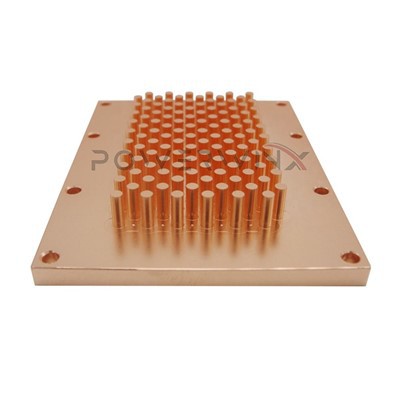
Hey there! As a supplier of soldering heat sinks, I've had my fair share of experiences and insights into how these nifty devices work with different solder alloys. In this blog, I'm gonna break down the science behind it all and give you a clear picture of what's going on.
First off, let's talk about what a soldering heat sink actually is. It's a device designed to absorb and dissipate heat during the soldering process. This is super important because excessive heat can damage components, cause poor solder joints, and even lead to the failure of the entire electronic device. A good heat sink helps maintain a stable temperature, ensuring a successful soldering job.
Now, different solder alloys have different melting points, thermal conductivities, and other properties. These properties play a huge role in how the heat sink interacts with the solder. Let's take a look at some common solder alloys and how they work with heat sinks.
Lead - Tin (Pb - Sn) Solder Alloys
Lead - tin solder alloys have been around for ages. They're known for their relatively low melting points, which makes them easy to work with. For example, the classic 60/40 (60% tin and 40% lead) solder has a melting point of around 183°C. When using a heat sink with this type of solder, the heat sink needs to be able to quickly absorb the heat from the soldering iron and the molten solder.
The heat sink's material and design are crucial here. Materials with high thermal conductivity, like copper or aluminum, are great choices. Copper has a thermal conductivity of about 401 W/(m·K), while aluminum has a thermal conductivity of around 237 W/(m·K). These materials can quickly transfer the heat away from the soldering area.
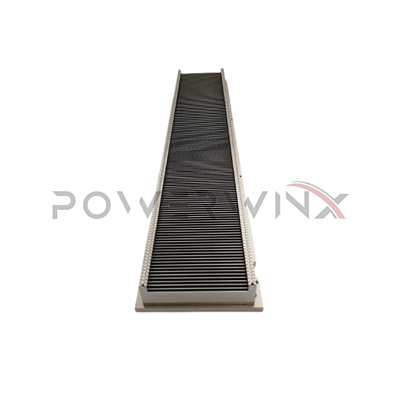
Our Folded Fin Heat Sink is a great option for working with lead - tin solder alloys. The folded fin design increases the surface area of the heat sink, allowing for more efficient heat dissipation. This means that the heat from the molten lead - tin solder can be quickly removed, preventing overheating of the components.
Lead - Free Solder Alloys
In recent years, lead - free solder alloys have become more popular due to environmental concerns. Common lead - free solder alloys include tin - silver - copper (Sn - Ag - Cu) alloys. These alloys typically have higher melting points than lead - tin alloys. For example, a typical Sn - Ag - Cu alloy might have a melting point in the range of 217 - 221°C.
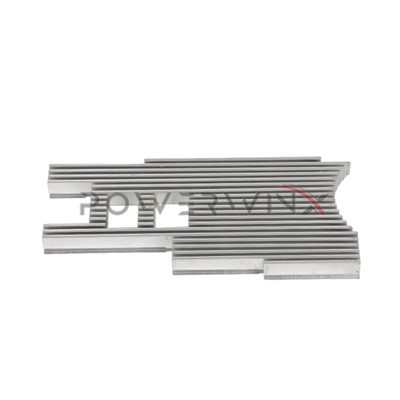
Working with lead - free solder alloys requires a heat sink that can handle the higher temperatures. Our CNC Machined Heat Sink is well - suited for this task. The precision machining process allows for a more optimized design, which can better manage the heat generated during the soldering of lead - free solder alloys.
The higher melting point of lead - free solder means that more heat is needed to melt it. The heat sink needs to be able to quickly absorb this additional heat to prevent damage to the components. The CNC machined heat sink can be made from high - quality materials with excellent thermal properties, ensuring efficient heat dissipation.
High - Temperature Solder Alloys
There are also high - temperature solder alloys used in specialized applications, such as in aerospace or high - power electronics. These alloys can have melting points well above 300°C. When working with high - temperature solder alloys, a heat sink with exceptional heat - handling capabilities is required.
Our Stainless Steel Folded Fin Heat Sink is a great option for high - temperature soldering. Stainless steel has good heat resistance and can withstand the extreme temperatures generated during the soldering of high - temperature solder alloys. The folded fin design, combined with the durability of stainless steel, makes it an ideal choice for these demanding applications.
How Heat Sinks Work in the Soldering Process
So, how exactly does a heat sink work during the soldering process? Well, it all comes down to the principles of heat transfer. There are three main modes of heat transfer: conduction, convection, and radiation.
Conduction is the transfer of heat through a solid material. When the soldering iron heats up the solder and the components, the heat is transferred to the heat sink through conduction. The heat sink, made of a material with high thermal conductivity, quickly conducts the heat away from the soldering area.
Convection is the transfer of heat through a fluid (usually air). As the heat sink gets hot, the air around it heats up and rises. Cooler air then moves in to replace it, creating a convection current. This helps to dissipate the heat from the heat sink into the surrounding environment.
Radiation is the emission of heat in the form of electromagnetic waves. While radiation plays a smaller role in the soldering heat sink process compared to conduction and convection, it still contributes to the overall heat dissipation.
Choosing the Right Heat Sink for Your Solder Alloy
When choosing a heat sink for a particular solder alloy, there are a few things to consider. First, you need to know the melting point of the solder alloy. This will determine the temperature range that the heat sink needs to handle.
Second, consider the size and shape of the components you're soldering. A heat sink that's too large might not fit properly, while a heat sink that's too small might not be able to dissipate enough heat.
Finally, think about the environment in which the soldering will take place. If it's a high - humidity or dusty environment, you might need a heat sink that's more resistant to corrosion or clogging.
Why Choose Our Heat Sinks
As a supplier of soldering heat sinks, we take pride in offering high - quality products. Our heat sinks are designed and manufactured to meet the specific needs of different solder alloys. Whether you're working with lead - tin, lead - free, or high - temperature solder alloys, we have a heat sink that's right for you.
Our team of experts is always available to help you choose the best heat sink for your application. We can provide technical support and advice to ensure that you get the most out of our products.
If you're in the market for a soldering heat sink, I encourage you to get in touch with us. We'd love to discuss your requirements and help you find the perfect heat sink for your soldering projects. Whether you're a hobbyist or a professional in the electronics industry, we have the solutions you need.


References
- "Soldering Handbook" by E. J. Lally
- "Thermal Management of Electronic Systems" by R. Mahajan
So, don't hesitate to reach out and start a conversation about your heat sink needs. We're here to make your soldering jobs easier and more successful!