Designing a round aluminum heatsink for LED lighting is a crucial task that can significantly impact the performance and lifespan of your LED lights. As a round aluminum heatsink supplier, I've had the opportunity to work on various projects and understand the ins and outs of this process. In this blog post, I'll share some tips and considerations to help you design an effective round aluminum heatsink for LED lighting.
Understanding the Basics of Heat Dissipation
Before we dive into the design process, it's important to understand the basics of heat dissipation. LEDs generate heat when they're in use, and if this heat isn't dissipated properly, it can cause the LEDs to overheat, which can lead to reduced performance, shorter lifespan, and even failure. A heatsink is designed to absorb and transfer this heat away from the LEDs, keeping them cool and functioning optimally.
Aluminum is a popular choice for heatsinks because it has excellent thermal conductivity, is lightweight, and is relatively inexpensive. Round aluminum heatsinks are particularly well-suited for LED lighting applications because they can provide uniform heat dissipation around the LED, which helps to prevent hotspots and ensure consistent performance.


Factors to Consider When Designing a Round Aluminum Heatsink
When designing a round aluminum heatsink for LED lighting, there are several factors to consider:
1. Heat Load
The first step in designing a heatsink is to determine the heat load of the LED. This is the amount of heat that the LED generates when it's in use, and it's typically measured in watts. To calculate the heat load, you'll need to know the power consumption of the LED and its efficiency. Once you know the heat load, you can use it to determine the size and shape of the heatsink that you need.
2. Thermal Resistance
Thermal resistance is a measure of how well a material resists the flow of heat. The lower the thermal resistance, the better the material is at conducting heat. When designing a heatsink, you'll want to choose a material with a low thermal resistance, such as aluminum. You'll also want to design the heatsink in a way that minimizes the thermal resistance between the LED and the heatsink, as well as between the heatsink and the surrounding environment.
3. Surface Area
The surface area of the heatsink is another important factor to consider. The larger the surface area, the more heat the heatsink can dissipate. To increase the surface area of a round aluminum heatsink, you can add fins or other features to the surface of the heatsink. These fins increase the surface area of the heatsink without significantly increasing its size or weight.
4. Airflow
Airflow is also an important factor in heat dissipation. When air flows over the surface of the heatsink, it carries away the heat that the heatsink has absorbed. To ensure adequate airflow, you'll want to design the heatsink in a way that allows air to flow freely around it. This may involve adding vents or other features to the heatsink to promote airflow.
Designing the Round Aluminum Heatsink
Once you've considered all of the factors above, you're ready to start designing the round aluminum heatsink. Here are some steps to follow:
1. Choose the Right Aluminum Alloy
There are several different aluminum alloys available, each with its own unique properties. When choosing an aluminum alloy for your heatsink, you'll want to consider factors such as thermal conductivity, strength, and corrosion resistance. Some common aluminum alloys used in heatsink applications include 6061 and 6063.
2. Determine the Size and Shape of the Heatsink
Based on the heat load of the LED and the factors discussed above, you'll need to determine the size and shape of the heatsink. The size of the heatsink will depend on the amount of heat that it needs to dissipate, while the shape will depend on the specific application and the available space.
3. Add Fins or Other Features
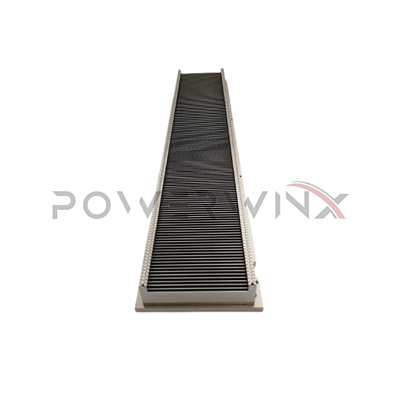
To increase the surface area of the heatsink and improve its heat dissipation capabilities, you can add fins or other features to the surface of the heatsink. There are several different types of fins that you can use, including straight fins, pin fins, and serrated fins. Each type of fin has its own unique advantages and disadvantages, so you'll need to choose the one that's best suited for your application.
4. Consider CNC Machining
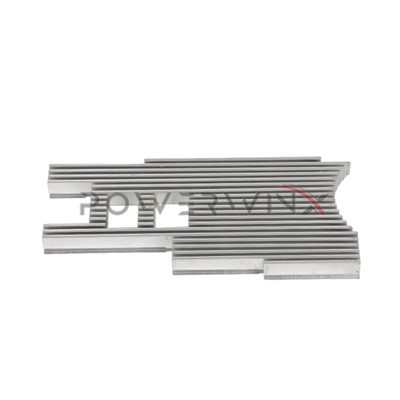
CNC machining is a popular method for manufacturing round aluminum heatsinks. This process involves using a computer-controlled machine to cut and shape the aluminum into the desired shape. CNC machining allows for precise and accurate manufacturing, which is important for ensuring that the heatsink fits properly and functions as intended. You can learn more about CNC Machined Aluminum Heat Sink on our website.
5. Evaluate the Design
Once you've designed the heatsink, it's important to evaluate its performance. You can do this by using a thermal simulation software to model the heat transfer and airflow around the heatsink. This will allow you to identify any potential issues with the design and make any necessary adjustments before manufacturing the heatsink.
Types of Round Aluminum Heatsinks
There are several different types of round aluminum heatsinks available, each with its own unique features and advantages:
1. Aluminum Pin Fin Heat Sink
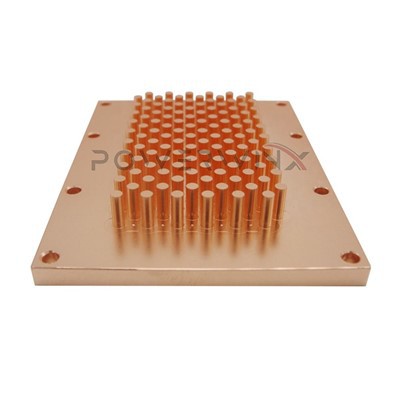
Aluminum pin fin heat sinks are a popular choice for LED lighting applications because they provide excellent heat dissipation and are relatively easy to manufacture. These heatsinks consist of a base plate with a series of pins or fins protruding from the surface. The pins increase the surface area of the heatsink, which helps to improve its heat dissipation capabilities. You can find more information about Aluminum Pin Fin Heat Sink on our website.
2. Copper Stacked Fin Heat Sink
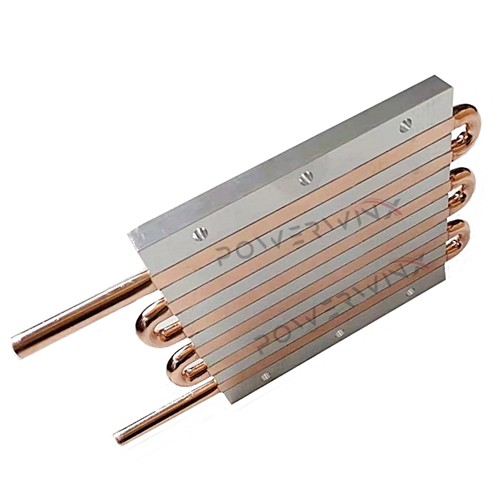
Copper stacked fin heat sinks are another option for LED lighting applications. These heatsinks consist of a series of copper fins that are stacked on top of each other and attached to a base plate. Copper has a higher thermal conductivity than aluminum, which means that it can transfer heat more efficiently. However, copper is also more expensive and heavier than aluminum, so it may not be the best choice for all applications. You can learn more about Copper Stacked Fin Heat Sink on our website.
Conclusion
Designing a round aluminum heatsink for LED lighting is a complex process that requires careful consideration of several factors. By understanding the basics of heat dissipation, considering the factors discussed above, and following the steps outlined in this blog post, you can design an effective round aluminum heatsink that will help to keep your LED lights cool and functioning optimally.
If you're interested in purchasing round aluminum heatsinks for your LED lighting applications, we'd love to hear from you. As a leading supplier of round aluminum heatsinks, we have the expertise and experience to help you find the right heatsink for your needs. Contact us today to learn more and start the procurement process.
References
- Incropera, F. P., & DeWitt, D. P. (2002). Fundamentals of Heat and Mass Transfer. John Wiley & Sons.
- Holman, J. P. (2002). Heat Transfer. McGraw-Hill.