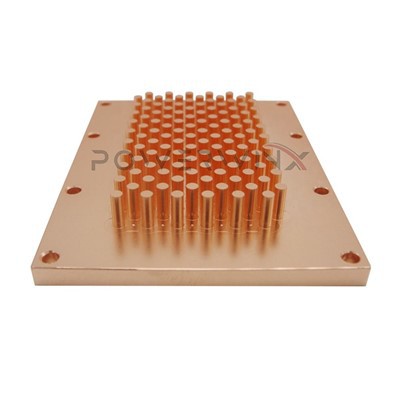
Hey there! As a supplier of LED heatsinks, I know how crucial it is to ensure the sterility of medical LED heatsinks. In the medical field, any equipment used needs to meet high - standard sterility requirements to prevent infections and ensure patient safety. So, let's dive into how we can achieve that.
Understanding the Importance of Sterility in Medical LED Heatsinks
First off, why is sterility so important for medical LED heatsinks? Well, medical devices are often used in sensitive environments like operating rooms, ICUs, and patient examination rooms. These areas are highly susceptible to the spread of bacteria and other pathogens. If a medical LED heatsink isn't sterile, it can become a breeding ground for harmful microorganisms. These can then contaminate the surrounding environment and potentially infect patients.
Moreover, in medical applications, LEDs are used in various devices such as surgical lights, endoscopes, and diagnostic equipment. These devices come into direct or indirect contact with patients. A non - sterile heatsink can compromise the overall sterility of the device, which is a big no - no in the medical world.
Materials Selection
The choice of materials for a medical LED heatsink is the first step towards ensuring sterility. We usually recommend materials that are easy to clean and disinfect.
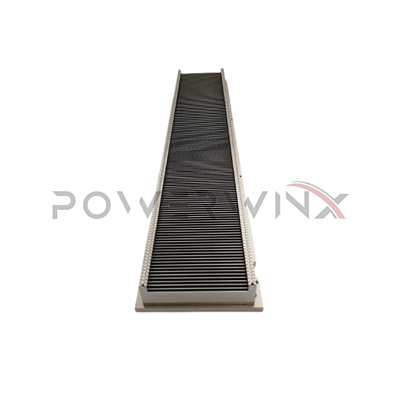
One great option is aluminum. Aluminum is widely used in our Aluminum Folded Fin Heat Sink. It has excellent thermal conductivity, which is essential for dissipating heat from the LEDs. More importantly, aluminum is resistant to corrosion and can withstand repeated cleaning and disinfection processes without losing its integrity.
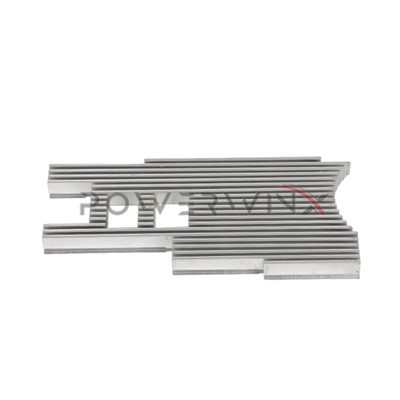
Another popular choice is the material used in our Aluminum Die Cast LED Light Heat Sink. Die - cast aluminum is strong and can be molded into complex shapes, which is useful for different medical device designs. It also has a smooth surface finish, making it easier to clean and less likely to harbor dirt and bacteria.
Aluminum Extrusion Heat Sink is also a reliable option. Extruded aluminum has a uniform structure and can be produced with precise dimensions. This makes it suitable for medical applications where accuracy is key. And like other aluminum - based heatsinks, it can be effectively cleaned and sterilized.
Manufacturing Process
The manufacturing process of a medical LED heatsink plays a significant role in its sterility. During the manufacturing, we need to ensure that the production environment is clean. Our manufacturing facilities are equipped with cleanrooms, where the air is filtered to remove dust particles and other contaminants.
We also follow strict quality control measures during the production. For example, all tools and equipment used in the manufacturing process are regularly cleaned and disinfected. Any raw materials that enter the production area are inspected to ensure they are free from contaminants.
In addition, we use advanced machining techniques to minimize surface roughness. A smooth surface is less likely to trap dirt and bacteria. After the machining process, the heatsinks go through a thorough cleaning process to remove any machining residues, such as cutting oils and metal shavings.
Cleaning and Disinfection
Once the heatsinks are manufactured, proper cleaning and disinfection are essential. There are several methods we can use.
Chemical Disinfection
One common method is chemical disinfection. We use disinfectants that are approved for medical use. These disinfectants can effectively kill a wide range of bacteria, viruses, and fungi. However, we need to be careful when choosing the disinfectant. Some chemicals may react with the heatsink material and cause damage. So, we always test the disinfectant on a small sample of the heatsink first to ensure compatibility.
Heat Sterilization
Heat sterilization is another effective method. Autoclaving is a popular form of heat sterilization. It uses high - pressure steam to kill microorganisms. The heatsinks are placed in an autoclave, and the temperature and pressure are carefully controlled to ensure complete sterilization. However, not all materials can withstand the high temperatures and pressures of autoclaving. That's why we need to choose materials like aluminum that are heat - resistant.
Radiation Sterilization
Radiation sterilization, such as gamma radiation or electron beam radiation, can also be used. These methods are effective in killing microorganisms without the need for high temperatures or chemicals. They are especially useful for heatsinks that are sensitive to heat or chemicals. However, radiation sterilization requires specialized equipment and facilities, and it can be more expensive than other methods.
Packaging and Storage
After the heatsinks are cleaned and sterilized, proper packaging and storage are crucial to maintain their sterility. We use sterile packaging materials, such as sealed plastic bags or containers. These packages are designed to prevent the entry of contaminants during transportation and storage.
During storage, the heatsinks are kept in a clean and dry environment. The storage area is regularly monitored for temperature and humidity to ensure that the conditions are suitable for maintaining sterility.


Quality Assurance
To ensure the sterility of our medical LED heatsinks, we have a comprehensive quality assurance program. We conduct regular microbiological testing on the heatsinks. This involves taking samples from the heatsinks and testing them for the presence of microorganisms.
We also keep detailed records of the manufacturing, cleaning, disinfection, and testing processes. These records are important for traceability and quality control. If there are any issues with the sterility of the heatsinks, we can easily trace back the steps and identify the source of the problem.
Conclusion
Ensuring the sterility of medical LED heatsinks is a multi - step process that involves materials selection, manufacturing, cleaning, disinfection, packaging, and storage. As a supplier, we are committed to providing high - quality, sterile heatsinks for the medical industry.
If you're in the market for medical LED heatsinks and want to learn more about our products or discuss your specific requirements, feel free to reach out. We're here to help you find the best thermal solutions for your medical devices.
References
- "Medical Device Sterilization: Principles and Practices" by Andrew S. Block
- "Handbook of Thermal Management for Electronics" which provides insights on heatsink materials and design
- Various industry standards and guidelines related to medical device sterility issued by regulatory bodies.