In the realm of thermal management, brazed heat sinks play a crucial role in dissipating heat effectively from various electronic components. However, one of the significant challenges faced by these heat sinks is their vulnerability to vibration. Vibration can lead to mechanical stress, which may cause the joints in the brazed heat sink to loosen or even break, ultimately reducing the heat sink's performance and lifespan. As a brazed heat sink supplier, we understand the importance of enhancing the vibration resistance of our products. In this blog post, we will explore several strategies that can be employed to improve the vibration resistance of brazed heat sinks.
Understanding the Causes of Vibration Damage
Before delving into the solutions, it is essential to understand the root causes of vibration damage in brazed heat sinks. Vibration can originate from various sources, such as the operation of nearby machinery, transportation, or even the natural movement of the device itself. When a brazed heat sink is subjected to vibration, the mechanical stress can cause fatigue in the brazed joints. Over time, this fatigue can lead to cracks, which can propagate and eventually result in the failure of the joint. Additionally, vibration can also cause the fins of the heat sink to rub against each other, leading to wear and tear, which can further compromise the heat sink's performance.
Material Selection
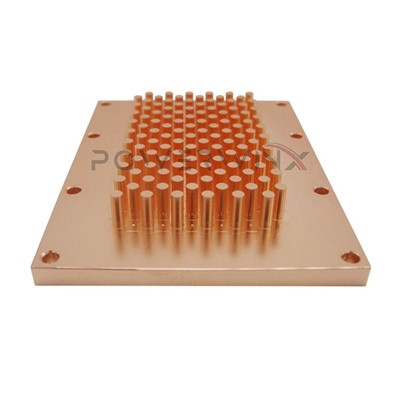
One of the primary factors that can influence the vibration resistance of a brazed heat sink is the choice of materials. The materials used for the base plate, fins, and brazing filler metal should have high strength and good fatigue resistance. For the base plate and fins, copper is a popular choice due to its excellent thermal conductivity and relatively high strength. Copper-based heat sinks, such as Copper Cold Forged Heat Sink, Copper Pin Fin Heat Sink, and Copper Skived Fin Heat Sink, offer good heat dissipation capabilities and can withstand a certain amount of vibration.
When it comes to the brazing filler metal, it is crucial to select a material that has a good bond strength with the base plate and fins. Silver-based brazing alloys are often used due to their high strength and excellent wetting properties. These alloys can form a strong bond with copper, which helps to improve the vibration resistance of the brazed joint. Additionally, the filler metal should also have a suitable melting point to ensure that the brazing process can be carried out effectively without causing damage to the base plate and fins.
Brazing Process Optimization
The brazing process itself plays a vital role in determining the vibration resistance of the heat sink. A well-executed brazing process can ensure that the joints are strong and durable, while a poorly executed process can lead to weak joints that are prone to failure under vibration. One of the key factors in brazing process optimization is the control of the brazing temperature and time. The temperature should be carefully regulated to ensure that the filler metal melts and flows evenly without overheating the base plate and fins. Overheating can cause the formation of brittle intermetallic compounds, which can reduce the strength of the joint.
Another important aspect of the brazing process is the cleaning and preparation of the surfaces to be brazed. The base plate and fins should be thoroughly cleaned to remove any contaminants, such as oxides, oils, or dirt. These contaminants can prevent the filler metal from wetting the surfaces properly, which can result in a weak bond. Additionally, the surfaces should be roughened slightly to increase the surface area available for bonding, which can improve the strength of the joint.
Design Considerations
The design of the brazed heat sink can also have a significant impact on its vibration resistance. One of the design considerations is the shape and size of the fins. Fins that are too thin or too long may be more prone to vibration-induced damage. Therefore, it is important to optimize the fin geometry to ensure that they have sufficient strength to withstand vibration. For example, using thicker fins or adding support structures to the fins can help to improve their rigidity and reduce the risk of vibration-induced failure.
Another design consideration is the layout of the fins. A well-designed fin layout can help to distribute the vibration evenly across the heat sink, which can reduce the stress on individual joints. For example, using a staggered fin layout can help to break up the vibration waves and prevent them from concentrating on a single area of the heat sink. Additionally, the spacing between the fins should be carefully chosen to ensure that there is enough room for the filler metal to flow during the brazing process and to prevent the fins from rubbing against each other under vibration.


Testing and Validation
Once the brazed heat sink has been manufactured, it is essential to conduct thorough testing and validation to ensure that it meets the required vibration resistance standards. One of the common testing methods is the vibration test, which involves subjecting the heat sink to a controlled vibration environment for a specified period of time. During the vibration test, the heat sink is monitored for any signs of damage, such as cracks in the joints or deformation of the fins. If any damage is detected, the heat sink should be analyzed to determine the root cause of the failure, and the manufacturing process should be adjusted accordingly.
In addition to the vibration test, other tests, such as thermal performance testing and mechanical strength testing, can also be conducted to ensure that the heat sink meets the overall performance requirements. These tests can help to identify any potential issues with the heat sink and to ensure that it is suitable for use in the intended application.
Conclusion
Improving the vibration resistance of brazed heat sinks is a complex but achievable goal. By carefully selecting the materials, optimizing the brazing process, considering the design factors, and conducting thorough testing and validation, we can manufacture brazed heat sinks that are more resistant to vibration and can provide reliable performance in a wide range of applications. As a brazed heat sink supplier, we are committed to providing our customers with high-quality products that meet their specific requirements. If you are interested in learning more about our brazed heat sinks or would like to discuss your thermal management needs, please feel free to contact us for further information and procurement discussions.
References
- "Thermal Management Handbook" by R.K. Shah and D.P. Sekulic
- "Brazing: Principles and Applications" by John W. Dini
- "Mechanical Design Handbook" by Robert C. Juvinall and Kurt M. Marshek