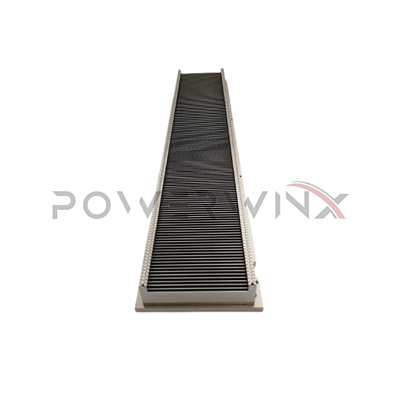
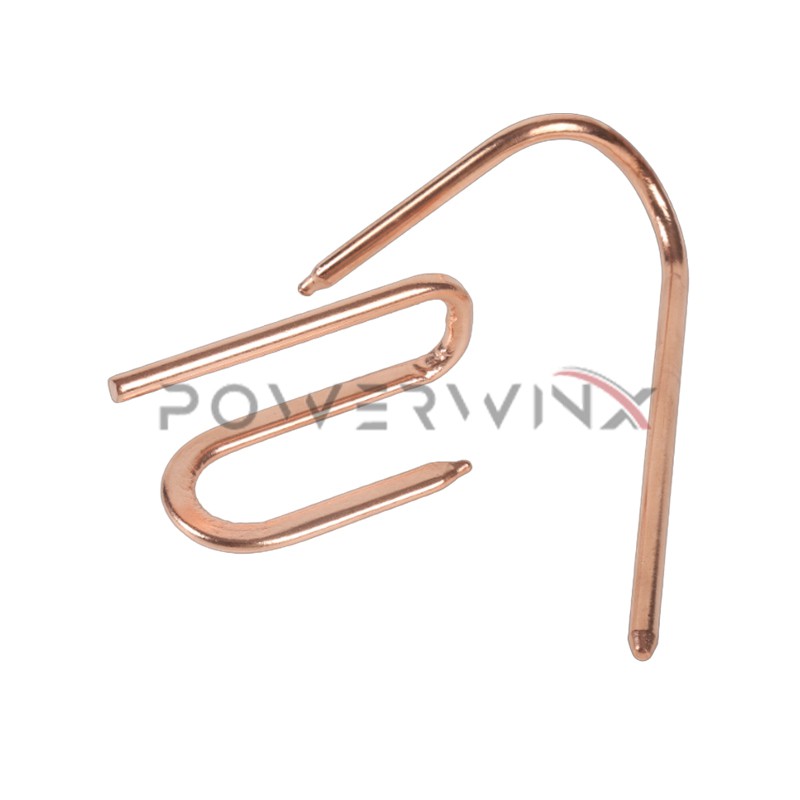
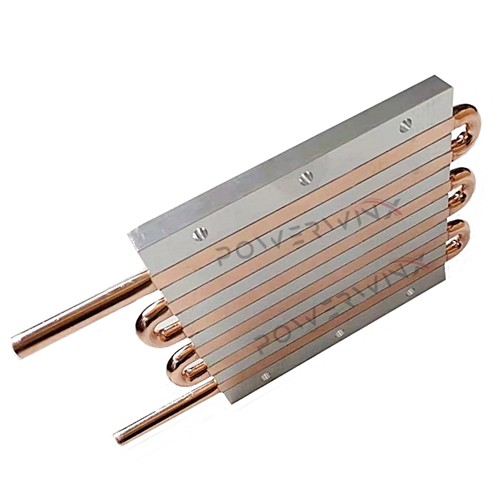
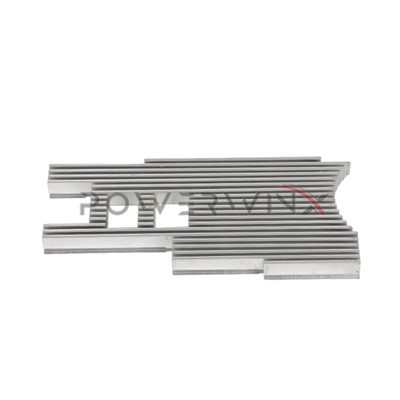
Hey there! I'm a supplier of Aluminum Vapor Chambers, and today I'm gonna walk you through the process of manufacturing these nifty little heat - management devices.
Why Aluminum Vapor Chambers?
Before we jump into the manufacturing process, let's quickly talk about why Aluminum Vapor Chambers are a big deal. Compared to the well - known Copper Vapor Chamber, Aluminum Vapor Chambers offer a lighter alternative. They're great for applications where weight is a concern, like in portable electronics or aerospace components. And don't worry about performance; they still do an excellent job of transferring heat efficiently. You can learn more about them on our Aluminum Vapor Chamber page.
Step 1: Material Selection
The first step in manufacturing an Aluminum Vapor Chamber is choosing the right aluminum alloy. We need an alloy that has good thermal conductivity, is easy to machine, and can withstand the internal pressures and temperatures during operation. Usually, alloys like 6061 or 5052 are popular choices. 6061 has a nice balance of strength, corrosion resistance, and thermal conductivity, while 5052 is known for its excellent formability.
Once we've selected the alloy, we get the raw aluminum sheets. These sheets need to be of high quality, with a smooth surface finish and consistent thickness. Any impurities or surface irregularities can affect the performance of the final vapor chamber.
Step 2: Machining the Chamber
After getting the right aluminum sheets, it's time to start shaping them into the vapor chamber. First, we use precision machining techniques to create the cavity where the working fluid will be contained. This involves using computer - numerical - control (CNC) machines. These machines are super accurate and can cut, drill, and mill the aluminum sheets according to our design specifications.
We create channels inside the cavity. These channels are crucial as they help the working fluid flow smoothly throughout the chamber. The size and shape of these channels are carefully designed to optimize the heat transfer process. For example, some designs use micro - channels, which increase the surface area for heat exchange and improve the fluid's capillary action.
Step 3: Wicking Structure Creation
The wicking structure is one of the most important parts of a vapor chamber. It helps the working fluid move from the condenser (the cool part) back to the evaporator (the hot part). There are several ways to create a wicking structure in an aluminum vapor chamber.
One common method is sintering. We take aluminum powder and place it inside the cavity of the vapor chamber. Then, we heat it up to a high temperature under pressure. This causes the powder particles to bond together, forming a porous wicking structure. Another method is using a wire mesh. We cut the wire mesh to the right size and shape and then insert it into the chamber. The mesh provides a path for the fluid to flow through.
Step 4: Sealing the Chamber
Once the wicking structure is in place, we need to seal the vapor chamber. This is a critical step because any leaks can cause the working fluid to escape, which will make the vapor chamber useless.
We use a combination of welding and brazing techniques to seal the chamber. Welding creates a strong, permanent bond between the different parts of the aluminum chamber. Brazing, on the other hand, is used to fill in any small gaps or joints. We use a filler material that has a lower melting point than the aluminum, so we can heat it up enough to flow into the gaps without melting the chamber itself.
Step 5: Evacuating and Filling
After sealing the chamber, we need to get rid of all the air inside. We use a vacuum pump to evacuate the chamber. This creates a low - pressure environment, which is essential for the working fluid to evaporate and condense at the right temperatures.
Once the chamber is evacuated, we carefully fill it with the working fluid. The most commonly used working fluid is water, but other fluids like methanol or acetone can also be used depending on the application. The amount of fluid we add is carefully measured to ensure optimal performance. Too much fluid can cause flooding, while too little can lead to dry - out and reduced heat transfer.
Step 6: Testing and Quality Control
Before sending the vapor chambers out to our customers, we put them through a series of tests. First, we check for leaks. We use a helium leak detector, which is very sensitive and can detect even the tiniest leaks. If a leak is detected, the chamber is sent back for re - sealing.
Next, we test the heat transfer performance. We use specialized equipment to simulate real - world operating conditions. We apply heat to one side of the vapor chamber and measure the temperature on the other side. The temperature difference should be within our specified range, indicating that the vapor chamber is transferring heat efficiently.
We also check the structural integrity of the vapor chamber. We subject it to mechanical stress tests to make sure it can withstand vibrations, shocks, and other forces that it might encounter in real - world applications.
Step 7: Surface Treatment
After passing all the tests, we can apply a surface treatment to the vapor chamber. This can improve its corrosion resistance and appearance. One common surface treatment is anodizing. Anodizing creates a thin, protective oxide layer on the surface of the aluminum. This layer not only protects the aluminum from corrosion but also gives it a nice, uniform finish.


Why Choose Our Aluminum Vapor Chambers?
We take pride in our manufacturing process. We use the latest technology and strict quality control measures to ensure that every vapor chamber we produce meets the highest standards. Our Aluminum Vapor Chambers are reliable, efficient, and can be customized to fit your specific needs.
Whether you're in the electronics industry looking to cool down your high - performance devices or in the aerospace sector where weight is a critical factor, our vapor chambers are a great choice.
Let's Connect!
If you're interested in our Aluminum Vapor Chambers or have any questions about the manufacturing process, feel free to reach out. We're always happy to have a chat and discuss how our products can meet your heat - management needs. Whether it's for a small - scale project or a large - scale production, we're here to help.
References
- "Thermal Management Handbook" - A comprehensive guide on heat transfer and management techniques.
- "Aluminum Alloys: Properties and Applications" - A book that details the characteristics of different aluminum alloys.
- Industry research papers on vapor chamber technology and manufacturing processes.