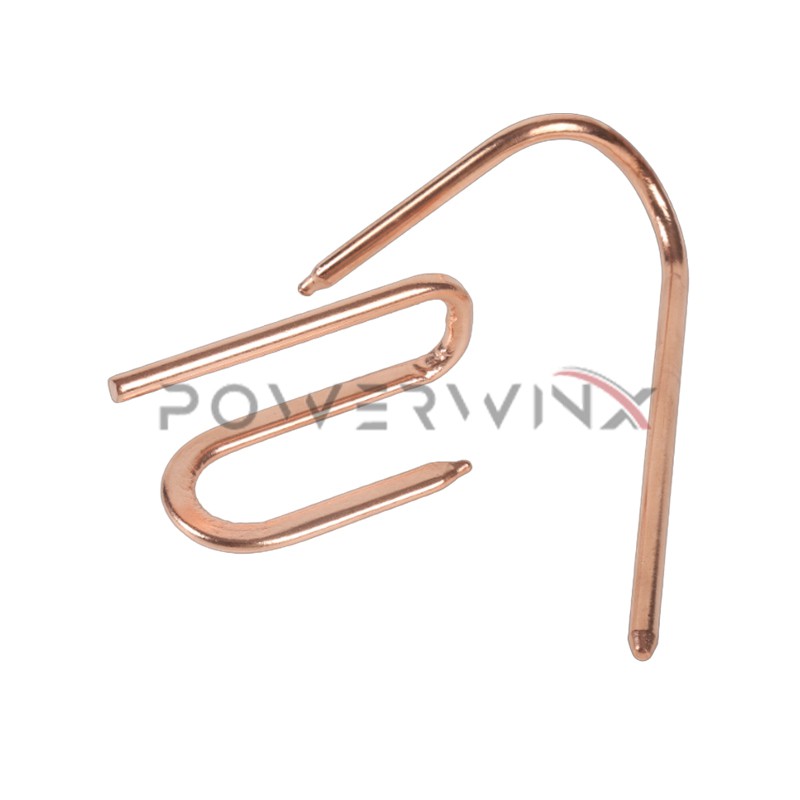
When it comes to high - performance thermal management solutions, the Aluminum Vapor Chamber has emerged as a game - changer. As a leading supplier of Aluminum Vapor Chambers, I am well - versed in the product and understand the importance of proper installation. In this blog, I will share some crucial installation precautions for an Aluminum Vapor Chamber.
Compatibility Check
Before starting the installation process, it is essential to ensure that the Aluminum Vapor Chamber is compatible with the application. This includes checking the size, shape, and thermal requirements of the device. For example, if you are using it in a small electronic device like a smartphone, the size of the vapor chamber needs to fit precisely within the available space.
The Aluminum Vapor Chamber should also be compatible with the heat source. Different heat sources generate varying amounts of heat, and the vapor chamber must be able to handle the specific heat load. If the heat load is too high for the vapor chamber, it may not function effectively, leading to overheating issues.


Surface Preparation
The surface where the Aluminum Vapor Chamber will be installed is of utmost importance. A smooth and clean surface is required to ensure good thermal contact. Any dirt, dust, or debris on the surface can create an air gap between the vapor chamber and the heat source, which will significantly reduce the heat transfer efficiency.
To prepare the surface, first, clean it with a suitable solvent. Isopropyl alcohol is a commonly used solvent as it evaporates quickly and leaves no residue. After cleaning, dry the surface thoroughly. You can use a lint - free cloth to wipe away any remaining moisture.
Mounting
Proper mounting is crucial for the optimal performance of the Aluminum Vapor Chamber. The vapor chamber should be firmly attached to the heat source to ensure efficient heat transfer. There are several methods for mounting, such as using thermal adhesive or mechanical fasteners.
If you choose to use thermal adhesive, make sure to apply it evenly on the surface of the heat source. The thickness of the adhesive layer should be consistent to avoid any air pockets. When applying the adhesive, follow the manufacturer's instructions regarding the curing time and temperature.
Mechanical fasteners, such as screws or clips, can also be used to mount the vapor chamber. However, be careful not to overtighten the fasteners, as this can damage the vapor chamber or cause it to warp. A uniform pressure distribution is necessary to ensure proper contact between the vapor chamber and the heat source.
Orientation
The orientation of the Aluminum Vapor Chamber can have a significant impact on its performance. In most cases, the vapor chamber should be installed in a way that allows for natural convection. This means that the vapor chamber should be placed vertically or at an angle to facilitate the movement of the working fluid inside.
If the vapor chamber is installed horizontally, the working fluid may not circulate effectively, leading to reduced heat transfer efficiency. Therefore, it is important to carefully consider the orientation during the installation process.
Protection
During the installation process, the Aluminum Vapor Chamber needs to be protected from physical damage. The vapor chamber is a delicate component, and any scratches or dents can affect its performance. When handling the vapor chamber, use clean gloves to prevent fingerprints and other contaminants from getting on the surface.
It is also important to protect the vapor chamber from electrostatic discharge (ESD). ESD can damage the internal structure of the vapor chamber and cause it to malfunction. Use ESD - safe tools and work in an ESD - protected environment.
Thermal Interface Material (TIM)
Using a high - quality thermal interface material is crucial for enhancing the heat transfer between the Aluminum Vapor Chamber and the heat source. TIM fills in the microscopic gaps between the two surfaces, reducing the thermal resistance.
There are various types of TIMs available, such as thermal pastes, thermal pads, and phase - change materials. When choosing a TIM, consider factors such as thermal conductivity, viscosity, and compatibility with the vapor chamber and the heat source.
Testing
After the installation is complete, it is important to test the performance of the Aluminum Vapor Chamber. You can use thermal sensors to measure the temperature of the heat source and the vapor chamber. Compare the measured temperatures with the expected values to ensure that the vapor chamber is functioning properly.
If there are any issues with the performance, such as higher - than - expected temperatures, re - check the installation steps. Make sure that the surface is clean, the mounting is secure, and the orientation is correct.
Comparison with Copper Vapor Chamber
While Aluminum Vapor Chambers have many advantages, it is also worth comparing them with Copper Vapor Chamber. Copper has a higher thermal conductivity than aluminum, which means that copper vapor chambers can transfer heat more efficiently in some cases. However, aluminum is lighter and more cost - effective than copper.
The choice between an Aluminum Vapor Chamber and a Copper Vapor Chamber depends on the specific requirements of the application. If weight and cost are major concerns, an Aluminum Vapor Chamber may be the better choice. On the other hand, if high - performance heat transfer is the top priority, a Copper Vapor Chamber may be more suitable.
Conclusion
Installing an Aluminum Vapor Chamber requires careful attention to detail. By following the installation precautions mentioned above, you can ensure that the vapor chamber performs optimally and provides effective thermal management.
If you are interested in purchasing Aluminum Vapor Chambers for your application, we are here to assist you. Our team of experts can provide you with detailed information about our products and help you choose the right solution for your needs. Contact us to start a procurement discussion and take advantage of our high - quality Aluminum Vapor Chambers.
References
- Thermal Management Handbook, 3rd Edition
- Journal of Thermal Science and Engineering Applications