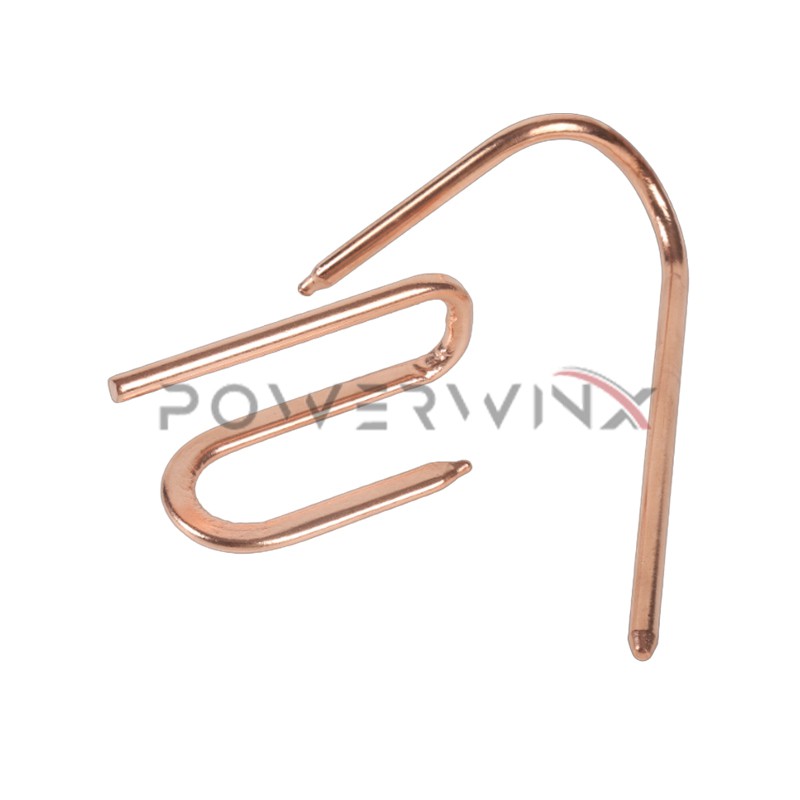
As a supplier of Round Heat Pipes, I've had a fair share of customers asking about the heat resistance of these nifty little devices. So, I thought it'd be a good idea to break it down in this blog post.
First off, let's talk about what a Round Heat Pipe is. A Round Heat Pipe is a heat transfer device that uses phase - change principles to transfer heat efficiently. It's a sealed tube with a wick structure inside and a small amount of working fluid. When heat is applied to one end (the evaporator section), the working fluid inside the pipe absorbs the heat and evaporates. The vapor then travels to the cooler end (the condenser section), where it releases the heat and condenses back into a liquid. The wick structure then wicks the liquid back to the evaporator section, and the cycle repeats.
Now, onto the main question: what is the heat resistance of a Round Heat Pipe? Heat resistance, also known as thermal resistance, is a measure of how much a material or device resists the flow of heat. It's usually expressed in degrees Celsius per watt (°C/W). A lower thermal resistance means that the heat pipe can transfer heat more efficiently.
The heat resistance of a Round Heat Pipe depends on several factors. One of the most important factors is the material of the heat pipe. Most Round Heat Pipes are made of copper, which is an excellent conductor of heat. Copper has a high thermal conductivity, which means it can transfer heat quickly. This results in a relatively low heat resistance for copper Round Heat Pipes.
Another factor that affects the heat resistance is the working fluid inside the heat pipe. Different working fluids have different boiling points and heat transfer properties. For example, water is a commonly used working fluid in heat pipes because it has a relatively high latent heat of vaporization. This means that it can absorb a large amount of heat when it evaporates and release the same amount of heat when it condenses. The choice of working fluid can have a significant impact on the heat resistance of the heat pipe.
The diameter and length of the heat pipe also play a role in determining its heat resistance. Generally, a larger diameter heat pipe can transfer more heat because it has a larger cross - sectional area for the vapor to flow through. On the other hand, a longer heat pipe may have a higher heat resistance because there is more distance for the vapor to travel and for the liquid to wick back.
The quality of the wick structure inside the heat pipe is another crucial factor. A well - designed wick structure can ensure efficient liquid return and uniform heat transfer. If the wick structure is poor, it may result in dry - out at the evaporator end, which can significantly increase the heat resistance.
In typical applications, the heat resistance of a Round Heat Pipe can range from as low as 0.01 °C/W to around 1 °C/W. However, this can vary widely depending on the specific design and operating conditions of the heat pipe.
Now, let's compare Round Heat Pipes with Flat Heat Pipes. Flat Heat Pipes are another type of heat transfer device that have become popular in recent years, especially in applications where space is limited. While Flat Heat Pipes can offer a larger contact area for heat transfer, Round Heat Pipes often have better heat transfer capabilities in certain directions. The heat resistance of Flat Heat Pipes can also vary, but in general, they may have slightly different performance characteristics compared to Round Heat Pipes.


If you're in the market for high - quality heat transfer solutions, our Round Heat Pipes are a great option. We've been in the business for a while, and we know how to design and manufacture Round Heat Pipes that offer excellent heat resistance and reliable performance.
Whether you're working on a small electronic device or a large industrial application, our Round Heat Pipes can help you manage heat effectively. We can customize the heat pipes according to your specific requirements, including the diameter, length, and working fluid.
If you're interested in learning more about our Round Heat Pipes or have a project that requires heat transfer solutions, don't hesitate to reach out. We're here to answer your questions and help you find the best heat pipe for your needs. Let's start a conversation about how our Round Heat Pipes can improve your product's performance.
References
- Incropera, F. P., & DeWitt, D. P. (2001). Fundamentals of Heat and Mass Transfer. John Wiley & Sons.
- Kaviany, M. (1995). Principles of Heat Transfer in Porous Media. Springer.