In the realm of electronics and soldering, heat sinks play a crucial role in dissipating heat and ensuring the proper functioning of components. As a leading supplier of soldering heat sinks, I have witnessed firsthand the remarkable benefits these devices offer. However, like any technology, soldering heat sinks are not without their limitations. Understanding these limitations is essential for engineers, designers, and manufacturers to make informed decisions when selecting and implementing heat sinks in their projects.
Thermal Resistance Limitations
One of the primary limitations of soldering heat sinks is their thermal resistance. Thermal resistance is a measure of how easily heat can flow through a material or a component. In the case of heat sinks, a lower thermal resistance indicates better heat transfer capabilities. However, achieving extremely low thermal resistance is challenging due to several factors.
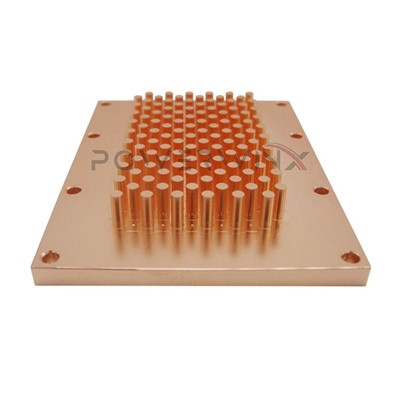
Firstly, the material properties of the heat sink itself can limit its thermal performance. While materials like aluminum and copper are commonly used for their high thermal conductivity, there is still a finite limit to how efficiently they can transfer heat. Additionally, the design of the heat sink, including the shape and size of the fins, can affect its thermal resistance. For example, a heat sink with a small surface area or poorly designed fins may not be able to dissipate heat as effectively as one with a larger surface area and optimized fin design.
Secondly, the interface between the heat sink and the heat source can introduce additional thermal resistance. When soldering a heat sink to a component, the quality of the solder joint and the presence of any air gaps or contaminants can significantly impact heat transfer. Even a small amount of thermal resistance at the interface can reduce the overall efficiency of the heat sink.
Size and Space Constraints
Another limitation of soldering heat sinks is their size and space requirements. In many electronic devices, space is at a premium, and designers are constantly looking for ways to minimize the size of components while maintaining their performance. Heat sinks, however, often require a certain amount of space to function effectively.
The size of a heat sink is typically determined by its thermal requirements. A larger heat sink with more fins and a greater surface area can dissipate more heat, but it also takes up more space. In some cases, it may be challenging to fit a heat sink of the appropriate size into a compact electronic device. Additionally, the height of the heat sink can also be a limiting factor, especially in applications where there are strict height constraints.
Cost Considerations
Cost is always a significant factor in any engineering or manufacturing project. Soldering heat sinks can vary widely in cost depending on the material, design, and manufacturing process. High-performance heat sinks made from materials like copper or with complex fin designs can be relatively expensive.
For some applications, the cost of a heat sink may be a significant barrier to implementation. In these cases, designers may need to compromise on the performance of the heat sink or look for alternative solutions that offer a better balance between cost and performance.
Manufacturing Complexity
The manufacturing process of soldering heat sinks can also present limitations. Some heat sink designs, such as Bonded Fin Heat Sink, Copper Skived Fin Heat Sink, and Brazing Heat Sink, require specialized manufacturing techniques and equipment. These processes can be complex and time-consuming, which can increase the cost and lead time of the heat sinks.
Additionally, the manufacturing process can also affect the quality and reliability of the heat sinks. For example, if the soldering process is not performed correctly, it can result in poor heat transfer or even mechanical failure of the heat sink.
Environmental and Operational Limitations
Soldering heat sinks also have certain environmental and operational limitations. For example, they may not be suitable for use in high-temperature or high-humidity environments, as these conditions can affect the performance and reliability of the heat sink. Additionally, some heat sinks may be sensitive to vibration or shock, which can cause damage to the fins or the solder joints.


In some applications, the heat sink may need to operate in a specific orientation. For example, a heat sink with a natural convection design may rely on the upward movement of hot air to dissipate heat effectively. If the heat sink is installed in the wrong orientation, its performance may be significantly reduced.
Conclusion
Despite these limitations, soldering heat sinks remain an essential component in many electronic devices. By understanding the limitations of heat sinks, engineers and designers can make informed decisions when selecting and implementing them in their projects. At our company, we offer a wide range of soldering heat sinks that are designed to meet the diverse needs of our customers. Our team of experts can work with you to select the right heat sink for your application and provide you with the technical support you need to ensure its successful implementation.
If you are interested in learning more about our soldering heat sinks or would like to discuss your specific requirements, please do not hesitate to contact us. We look forward to the opportunity to work with you and help you find the best thermal solution for your project.