In the ever - evolving field of horticulture, the integration of LED lighting systems has become a game - changer. Horticultural LEDs offer precise control over light spectra, energy efficiency, and longer lifespans, making them vital for indoor and greenhouse cultivation. However, these advanced lighting solutions generate a significant amount of heat. This is where horticultural LED heatsinks come into play, and understanding their specific needs is crucial for both growers and LED heatsink suppliers like us.
The Importance of Temperature Control in Horticultural LEDs
Horticultural LEDs are designed to mimic natural sunlight to promote plant growth. They emit specific wavelengths of light that are most effective for photosynthesis, such as red and blue light. But as they operate, a substantial amount of electrical energy is converted into heat. Excessive heat can have detrimental effects on the performance and lifespan of LED chips.
High temperatures can cause a phenomenon known as thermal runaway. As the temperature of an LED rises, its forward voltage decreases, leading to an increase in current. This increased current, in turn, generates even more heat. If not properly managed, thermal runaway can quickly damage the LEDs, leading to reduced light output, color shift, and ultimately, premature failure.
Moreover, maintaining an optimal temperature is essential for the efficiency of the LEDs. LEDs are most efficient within a specific temperature range. When the temperature exceeds this range, the efficiency drops, and more energy is wasted as heat rather than being converted into light. This not only increases energy costs but also affects the overall productivity of the horticultural setup.
Specific Needs of Horticultural LED Heatsinks
High Heat Dissipation Capacity
The primary function of a horticultural LED heatsink is to dissipate heat effectively. Horticultural LED fixtures can generate a large amount of heat, especially in high - intensity lighting setups. Therefore, heatsinks need to have a high heat dissipation capacity. This can be achieved through various design features, such as a large surface area, which allows for more efficient heat transfer to the surrounding air.
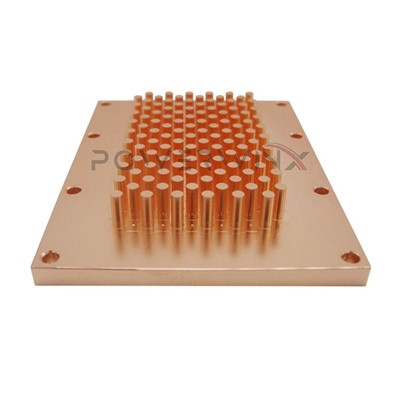
Our Pin Fin Heat Sink is an excellent example of a heatsink designed for high - heat applications. The pin fin design provides a significantly larger surface area compared to traditional flat - plate heatsinks, enabling faster and more efficient heat dissipation. This makes it ideal for horticultural LED fixtures that require high - power output.
Corrosion Resistance
In horticultural environments, especially in greenhouses and indoor growing facilities, the humidity levels can be relatively high. High humidity can lead to corrosion of metal heatsinks, which can compromise their structural integrity and heat - dissipation performance over time. Therefore, horticultural LED heatsinks need to be corrosion - resistant.
We offer Copper Cold Forged Heat Sink. Copper is known for its excellent thermal conductivity and natural corrosion resistance. The cold forging process further enhances its durability, making it suitable for long - term use in humid horticultural environments. This type of heatsink can maintain its performance and appearance even in challenging conditions.
Compact Design
Space is often a precious commodity in horticultural setups. Growers need to maximize the use of available space to increase plant yield. Therefore, horticultural LED heatsinks need to have a compact design without sacrificing their heat - dissipation capabilities.
Our Cold Forged Heat Sink is designed with a compact form factor. The cold forging process allows for the creation of complex shapes and structures that can efficiently dissipate heat in a limited space. This makes it easy to integrate into various horticultural LED fixtures, whether they are used in small - scale home gardens or large - scale commercial greenhouses.
Customizability
Different horticultural LED fixtures have different heat - generation characteristics and space requirements. Therefore, heatsinks need to be customizable to meet the specific needs of each application.
As a supplier, we understand the importance of customizability. We can work closely with growers and LED fixture manufacturers to design and produce heatsinks that are tailored to their specific requirements. Whether it's adjusting the size, shape, or material of the heatsink, we have the expertise and capabilities to provide customized solutions.
Quiet Operation
In some horticultural setups, especially those in indoor environments or close to living areas, noise can be a concern. Heatsinks that rely on fans or other active cooling devices can generate noise. Therefore, there is a need for horticultural LED heatsinks that can operate quietly.
Passive heatsinks, such as the ones we offer, do not require fans for cooling. They rely on natural convection to dissipate heat, which means they operate silently. This makes them an ideal choice for horticultural applications where noise reduction is a priority.
Meeting the Needs of Horticultural LED Heatsinks
As a leading LED heatsink supplier, we are committed to meeting the specific needs of the horticultural industry. Our team of experts has in - depth knowledge of thermal management and horticultural lighting systems. We use the latest manufacturing technologies and high - quality materials to produce heatsinks that offer superior performance, durability, and customizability.
We also understand the importance of providing excellent customer service. We work closely with our customers to understand their requirements and provide them with the best possible solutions. Whether you are a small - scale grower or a large - scale commercial horticultural operation, we have the products and expertise to meet your needs.
If you are looking for high - quality horticultural LED heatsinks that meet all the specific needs discussed above, we invite you to contact us for procurement and further discussions. Our sales team is ready to assist you in finding the most suitable heatsink solutions for your horticultural LED lighting systems.


References
- Thermal Management Handbook for LED Lighting Systems, Publisher: [Publisher Name], Year: [Year]
- Horticultural Lighting: Principles and Practices, Author: [Author Name], Publisher: [Publisher Name], Year: [Year]