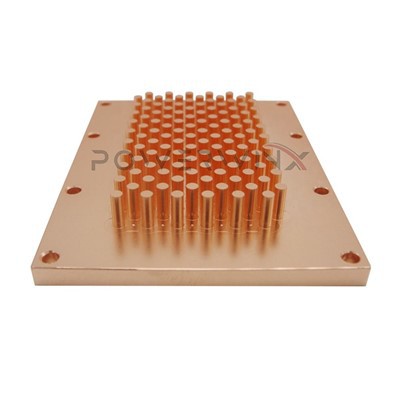
Hey there! As a supplier of CNC Machined Heat Sinks, I often get asked about how the cost of our products stacks up against other types of heat sinks. So, I thought I'd take a deep dive into this topic and break it all down for you.
Let's start by understanding what CNC machined heat sinks are. CNC, or Computer Numerical Control, machining is a manufacturing process where pre-programmed computer software dictates the movement of factory tools and machinery. This results in highly precise and customizable heat sinks. We can create complex shapes and designs that are tailored to specific applications, which is a huge advantage in many industries.
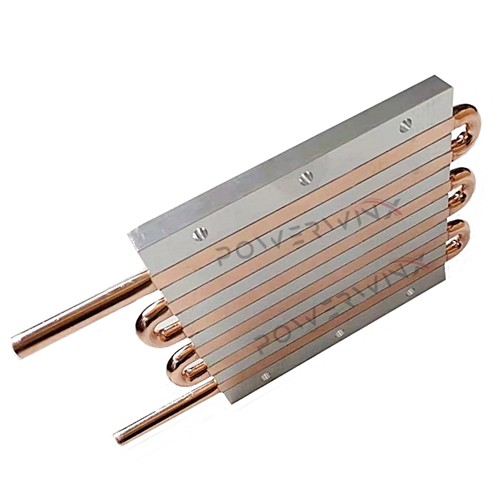
Now, let's talk about the cost. The cost of CNC machined heat sinks can vary widely depending on several factors. One of the biggest factors is the material. We commonly use aluminum and copper for our CNC machined heat sinks. Aluminum is lighter and more affordable, while copper has better thermal conductivity but is more expensive. For example, our CNC Machined Copper Heat Sink is priced higher than our aluminum ones due to the cost of the raw material.
Another factor that affects the cost is the complexity of the design. The more intricate the design, the more time and effort it takes to machine, which drives up the price. But here's the thing - this complexity often translates into better performance. Our CNC machining process allows us to create features like fine fins and precise channels that enhance heat dissipation, which can be crucial in high - performance applications.
So, how does the cost of CNC machined heat sinks compare to other types? Let's take a look at some common alternatives.
Aluminum Cold Forged Heat Sinks
Aluminum Cold Forged Heat Sinks are made through a cold forging process. This process involves shaping metal at room temperature by applying high pressure. Cold forging can produce heat sinks with good strength and relatively simple geometries.
In terms of cost, aluminum cold forged heat sinks are generally more affordable than CNC machined ones, especially for large - volume production. The cold forging process is faster and more suitable for mass - producing simple designs. However, when it comes to complex designs or tight tolerances, CNC machining has the upper hand. Cold forging may not be able to achieve the same level of precision as CNC machining, and if you need a heat sink with very specific dimensions or features, you might end up paying more to modify a cold - forged heat sink to meet your requirements.
Zipper Fin Heat Sinks
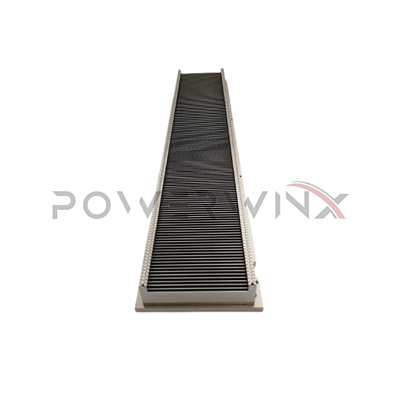
Zipper Fin Heat Sinks are another popular option. These heat sinks are made by interlocking thin fins, which creates a large surface area for heat dissipation.
The cost of zipper fin heat sinks can be lower than CNC machined heat sinks in some cases. They are often mass - produced using automated processes, which helps keep the cost down. However, zipper fin heat sinks have limitations in terms of design flexibility. They are typically used for standard applications where a high - surface - area heat sink is needed, but they may not be suitable for applications that require a custom - shaped or highly precise heat sink. If you need a heat sink with a unique shape or special features, CNC machining is the way to go, even though it may cost more.
It's also important to consider the long - term cost. While CNC machined heat sinks may have a higher upfront cost, they can offer better performance and durability. A well - designed CNC machined heat sink can dissipate heat more efficiently, which can lead to longer component life and reduced energy consumption. This means that over the life of the product, the total cost of ownership may be lower compared to a cheaper but less efficient heat sink.


For example, in a high - end electronics application, a CNC machined heat sink can prevent overheating of sensitive components, reducing the risk of component failure and costly repairs. In industrial applications, a more efficient heat sink can lead to lower energy bills and less downtime for maintenance.
So, when you're deciding between CNC machined heat sinks and other types, it's not just about the upfront cost. You need to consider your specific requirements, such as the application, the level of precision needed, and the long - term performance.
If you're in the market for a heat sink and are still unsure which type is right for you, I'd be more than happy to help. Our team of experts can work with you to understand your needs and recommend the best solution. Whether you need a simple aluminum heat sink or a complex copper one, we have the capabilities to deliver high - quality products at a competitive price.
Don't hesitate to reach out if you're interested in learning more or getting a quote. We're here to make sure you get the best heat sink solution for your project.
References
- "Heat Sink Design and Manufacturing Handbook"
- Industry reports on thermal management solutions