Hey there! As a supplier of Flat Heat Pipes, I've been getting a lot of questions lately about the differences between flat heat pipes and traditional heat pipes. So, I thought I'd take a moment to break it down for you all.
First off, let's talk about what heat pipes are in general. Heat pipes are these nifty little devices that transfer heat from one place to another. They're super efficient and are used in a whole bunch of applications, from laptops and smartphones to industrial equipment and even spacecraft.
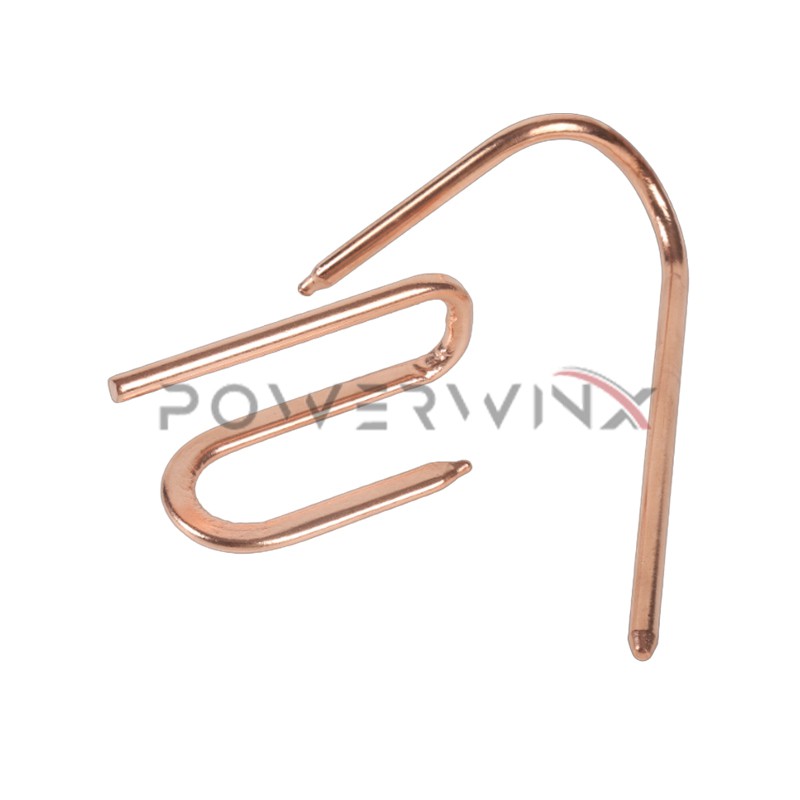
Now, traditional heat pipes are usually round in shape. You can check them out Round Heat Pipe. They've been around for a long time and have a pretty simple design. Inside a round heat pipe, there's a wick structure that runs along the inner wall. This wick is filled with a working fluid, like water or ammonia. When the heat pipe is heated at one end, the working fluid evaporates, turning into vapor. This vapor then moves to the cooler end of the heat pipe, where it condenses back into a liquid, releasing the heat it absorbed. The wick then wicks the liquid back to the hot end, and the cycle repeats.
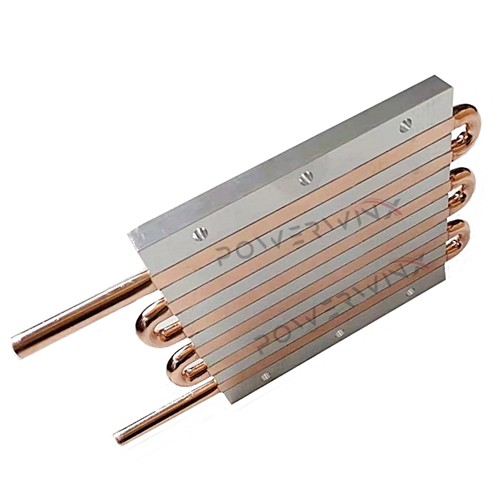
On the other hand, flat heat pipes, like the ones we supply Flat Heat Pipe, have a flat shape. This flat design gives them some unique advantages over round heat pipes.
Heat Transfer Efficiency
One of the biggest differences between flat and round heat pipes is their heat transfer efficiency. Flat heat pipes have a larger surface area compared to round heat pipes of the same cross - sectional area. This larger surface area allows for more efficient heat transfer. When heat is transferred, it occurs at the surface of the heat pipe. With a flat heat pipe, there's more surface available for the heat to transfer in and out of the pipe. So, if you have a high - power device that generates a lot of heat, a flat heat pipe can handle it better and transfer the heat away more quickly.
For example, in a laptop, where space is limited and heat dissipation is crucial, a flat heat pipe can spread the heat more evenly across the cooling fins. This helps in keeping the internal components of the laptop at a lower temperature, which in turn improves the performance and lifespan of the device.
Space Utilization
Another major difference is space utilization. In many modern electronic devices, space is at a premium. Round heat pipes, with their cylindrical shape, can be a bit tricky to fit into tight spaces. They may require more complex routing or take up more room than necessary.
Flat heat pipes, on the other hand, are much more versatile when it comes to space. Their flat shape allows them to be easily integrated into thin and compact devices. They can be placed between two flat surfaces, like a printed circuit board and a heat sink, without taking up much extra space. This makes them ideal for applications such as ultra - thin laptops, tablets, and smartphones.
Flexibility and Installation
Flat heat pipes also offer more flexibility in terms of installation. They can be bent and shaped more easily compared to round heat pipes. This is because the flat design allows for more uniform stress distribution when bending. You can bend a flat heat pipe to fit around other components in a device without significantly affecting its heat transfer performance.
Round heat pipes, however, are more difficult to bend. Bending a round heat pipe too much can damage the wick structure inside, which can then reduce its heat transfer efficiency. So, if you need a heat pipe that can be customized to fit a specific layout in your device, a flat heat pipe is the way to go.
Thermal Resistance
Thermal resistance is a measure of how well a material or device resists the flow of heat. Flat heat pipes generally have lower thermal resistance compared to round heat pipes. This means that heat can flow through a flat heat pipe more easily.
The lower thermal resistance of flat heat pipes is due to their larger surface area and the way the working fluid moves inside. The flat shape allows for a more direct path for the vapor to move from the hot end to the cold end, reducing the resistance to heat flow. This results in better overall heat transfer performance.
Cost
When it comes to cost, there's a bit of a trade - off. Round heat pipes are generally cheaper to manufacture. Their simple cylindrical design and well - established manufacturing processes make them more cost - effective for large - scale production.
Flat heat pipes, on the other hand, are more expensive to produce. The manufacturing process for flat heat pipes is more complex, involving additional steps to create the flat shape and ensure the proper functioning of the wick structure. However, in applications where the performance advantages of flat heat pipes are critical, the extra cost may be well worth it.
Applications
Both flat and round heat pipes have their own set of applications. Round heat pipes are commonly used in applications where space is not a major constraint and cost is a significant factor. They're often found in desktop computers, industrial cooling systems, and some automotive applications.
Flat heat pipes, as mentioned earlier, are ideal for applications where space is limited and high - performance heat transfer is required. They're widely used in portable electronic devices, such as laptops, tablets, and smartphones. They're also used in high - end LED lighting systems, where efficient heat dissipation is necessary to maintain the brightness and lifespan of the LEDs.
So, in conclusion, the choice between flat heat pipes and traditional round heat pipes depends on your specific needs. If you need a heat pipe that can handle high - power heat transfer in a tight space, offers flexibility in installation, and has low thermal resistance, then a flat heat pipe is the better option. But if cost is your main concern and space is not an issue, a round heat pipe may be more suitable.
If you're interested in learning more about our Flat Heat Pipes or have any questions about which type of heat pipe is right for your application, don't hesitate to reach out. We're here to help you find the best thermal solution for your needs. Whether you're a small electronics manufacturer or a large industrial company, we can work with you to provide the right heat pipes for your projects. Contact us today to start a discussion about your heat transfer requirements and let's see how we can help you improve the performance of your devices.


References
- Incropera, F. P., & DeWitt, D. P. (2002). Fundamentals of Heat and Mass Transfer. John Wiley & Sons.
- Kakac, S., & Pramuanjaroenkij, A. (2005). Heat Pipes: Theory, Design, and Applications. Butterworth - Heinemann.