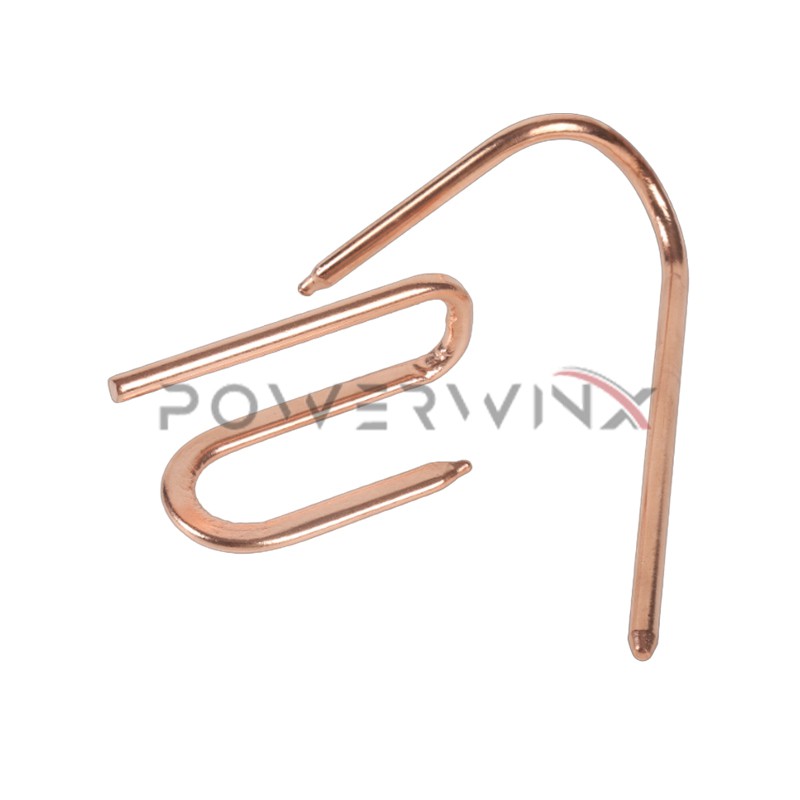
Hey there! As a supplier of copper heat pipes, I often get asked about the heat dissipation capacity of these little wonders. So, let's dive right in and explore what makes copper heat pipes such an effective solution for managing heat.
First off, what exactly is a copper heat pipe? Well, it's a sealed tube made of copper that contains a small amount of working fluid, usually water or a refrigerant. The pipe has a wick structure inside, which helps to transfer the working fluid from the evaporator end to the condenser end. When heat is applied to the evaporator end, the working fluid evaporates and absorbs the heat. The vapor then travels to the condenser end, where it condenses back into a liquid, releasing the heat in the process. This cycle repeats continuously, allowing the heat pipe to transfer heat efficiently from one end to the other.
Now, let's talk about the heat dissipation capacity of copper heat pipes. The heat dissipation capacity of a heat pipe is measured in watts (W) and is determined by several factors, including the size and shape of the heat pipe, the type of working fluid, and the operating conditions.
One of the key factors that affects the heat dissipation capacity of a copper heat pipe is its size. Generally speaking, larger heat pipes have a higher heat dissipation capacity than smaller ones. This is because larger heat pipes have a greater surface area for heat transfer and can accommodate more working fluid. However, it's important to note that the size of the heat pipe also affects its weight and cost, so it's important to choose the right size for your specific application.
Another factor that affects the heat dissipation capacity of a copper heat pipe is its shape. There are two main types of copper heat pipes: round heat pipes and flat heat pipes. Round Heat Pipe are the most common type and are typically used in applications where space is limited. They have a circular cross-section and are available in a variety of diameters and lengths. Flat heat pipes, on the other hand, have a rectangular cross-section and are often used in applications where a thin profile is required. Flat Heat Pipe have a larger surface area for heat transfer than round heat pipes, which allows them to dissipate heat more efficiently.
The type of working fluid used in a copper heat pipe also plays a role in its heat dissipation capacity. Different working fluids have different boiling points and heat transfer properties, which can affect the performance of the heat pipe. Water is the most commonly used working fluid in copper heat pipes because it has a high latent heat of vaporization and is relatively inexpensive. However, other working fluids, such as ammonia and methanol, can also be used in certain applications.
Finally, the operating conditions of the heat pipe can also affect its heat dissipation capacity. The temperature difference between the evaporator and condenser ends of the heat pipe, as well as the ambient temperature and humidity, can all have an impact on the performance of the heat pipe. In general, heat pipes work best when the temperature difference between the evaporator and condenser ends is large and the ambient temperature is relatively low.
So, how do you determine the heat dissipation capacity of a copper heat pipe for your specific application? Well, the first step is to calculate the heat load of your system. This involves determining the amount of heat that needs to be dissipated and the temperature at which it needs to be dissipated. Once you have this information, you can choose a heat pipe with a heat dissipation capacity that is equal to or greater than the heat load of your system.


It's also important to consider the other factors that affect the heat dissipation capacity of the heat pipe, such as its size, shape, and working fluid. You may need to experiment with different heat pipes to find the one that works best for your application.
In conclusion, copper heat pipes are an effective solution for managing heat in a variety of applications. Their high heat dissipation capacity, low thermal resistance, and compact size make them a popular choice for many industries. If you're in the market for copper heat pipes, I encourage you to reach out to us to discuss your specific needs. We have a wide range of heat pipes available, including Round Heat Pipe and Flat Heat Pipe, and our team of experts can help you choose the right heat pipe for your application.
If you're interested in learning more about our copper heat pipes or have any questions, please don't hesitate to contact us. We're here to help you find the best solution for your heat management needs.
References:
- Incropera, F. P., & DeWitt, D. P. (2002). Fundamentals of heat and mass transfer. John Wiley & Sons.
- Kakaç, S., & Pramuanjaroenkij, A. (2005). Heat pipes: science and technology. Taylor & Francis.