Hey there! As a supplier of liquid cold plates, I often get asked about the heat dissipation efficiency of these nifty devices. So, let's dive right in and explore what makes a liquid cold plate tick when it comes to cooling.
First off, what exactly is a liquid cold plate? Well, it's a heat exchanger that uses a liquid (usually water or a coolant mixture) to transfer heat away from a source. These plates are commonly used in high - power electronic devices like servers, power inverters, and even some high - end gaming systems. The basic idea is to have the liquid flow through channels within the cold plate, absorbing heat from the surface in contact with the heat source and then carrying that heat away to be dissipated elsewhere.
How Does Heat Dissipation Work in a Liquid Cold Plate?
The heat dissipation process in a liquid cold plate is based on the principles of thermodynamics. When a heat source is in contact with the cold plate, heat is transferred from the source to the cold plate through conduction. The liquid inside the cold plate then absorbs this heat as it flows through the channels. This is where convection comes into play. The heated liquid is carried away from the heat source, and cooler liquid takes its place, creating a continuous cycle of heat transfer.
The efficiency of this process depends on several factors. One of the most important is the thermal conductivity of the materials used in the cold plate. Metals like copper and aluminum are popular choices because they have high thermal conductivity, which means they can transfer heat quickly and effectively.
Factors Affecting Heat Dissipation Efficiency
- Material of the Cold Plate: As mentioned, the choice of material is crucial. Copper has a thermal conductivity of about 400 W/(m·K), while aluminum has a thermal conductivity of around 200 W/(m·K). This means that copper can transfer heat almost twice as fast as aluminum. However, copper is also more expensive, so there's a trade - off between cost and performance.
- Design of the Channels: The way the channels are designed inside the cold plate can have a big impact on heat dissipation efficiency. A well - designed channel system ensures that the liquid flows evenly across the entire surface of the cold plate, maximizing the contact area between the liquid and the heat source. For example, some cold plates use a serpentine channel design, which forces the liquid to flow in a long, winding path, increasing the time it spends in contact with the heat source.
- Flow Rate of the Liquid: The speed at which the liquid flows through the cold plate is also important. A higher flow rate means that more heat can be carried away in a given amount of time. However, if the flow rate is too high, it can create turbulence, which can actually reduce the efficiency of heat transfer. So, finding the right balance is key.
Types of Liquid Cold Plates and Their Efficiency
We offer different types of liquid cold plates, each with its own unique features and heat dissipation capabilities.
- Friction Welding Liquid Cold Plate: Friction Welding Liquid Cold Plate is a type that uses friction welding technology to join different parts of the cold plate. This process creates a strong, seamless bond, which helps to improve the thermal conductivity of the cold plate. The friction - welded joints ensure that there are no gaps or air pockets that could impede heat transfer, resulting in a more efficient cooling solution.
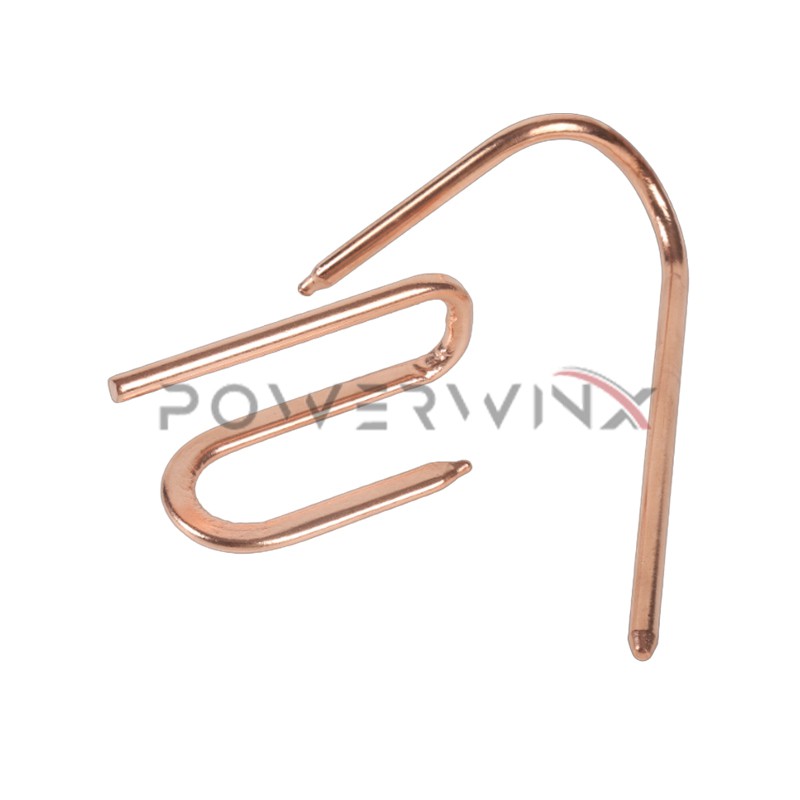
- Hi - Contact Tube Liquid Cold Plate: Hi - Contact Tube Liquid Cold Plate features a tube - based design. The tubes are in direct contact with the heat source, providing a high - efficiency heat transfer path. The design allows for a large surface area of contact between the liquid and the heat source, which helps to improve the overall heat dissipation efficiency.
- Vacuum Brazed Liquid Cold Plate: Vacuum Brazed Liquid Cold Plate uses a vacuum brazing process to join the components of the cold plate. This process creates a strong, hermetic seal, which is essential for preventing leaks and ensuring efficient heat transfer. The vacuum brazing also helps to remove any impurities or oxides from the surface of the materials, further improving the thermal conductivity.
Measuring Heat Dissipation Efficiency
There are several ways to measure the heat dissipation efficiency of a liquid cold plate. One common method is to measure the temperature difference between the heat source and the outlet of the cold plate. A smaller temperature difference indicates that the cold plate is more efficient at transferring heat. Another way is to calculate the heat transfer coefficient, which is a measure of how well the cold plate can transfer heat from the heat source to the liquid.
Importance of Heat Dissipation Efficiency
In today's high - tech world, where electronic devices are becoming more and more powerful, efficient heat dissipation is crucial. Overheating can cause a variety of problems, including reduced performance, shortened lifespan, and even system failures. By using a high - efficiency liquid cold plate, you can ensure that your electronic devices operate at optimal temperatures, improving their reliability and performance.
How to Choose the Right Liquid Cold Plate
When choosing a liquid cold plate, it's important to consider your specific needs. Think about the power of the heat source, the available space, and your budget. If you have a high - power device, you may need a cold plate with a high thermal conductivity and a large surface area. If space is limited, you may need to choose a more compact design. And of course, you'll want to find a cold plate that fits within your budget.
Let's Talk Business
If you're in the market for a liquid cold plate, I'd love to have a chat with you. We have a wide range of options to suit different needs and budgets. Whether you're looking for a Friction Welding Liquid Cold Plate, a Hi - Contact Tube Liquid Cold Plate, or a Vacuum Brazed Liquid Cold Plate, we've got you covered. Contact us to discuss your requirements and let's find the perfect cooling solution for you.


References
- Incropera, F. P., & DeWitt, D. P. (2002). Fundamentals of Heat and Mass Transfer. Wiley.
- Bergman, T. L., Lavine, A. S., Incropera, F. P., & DeWitt, D. P. (2011). Introduction to Heat Transfer. Wiley.