Hey there! As a supplier of Round Heat Pipes, I've been getting a lot of questions lately about the heat transfer behavior of these nifty little devices, especially when dealing with a pulsating heat load. So, I thought I'd take a deep dive into this topic and share what I've learned.
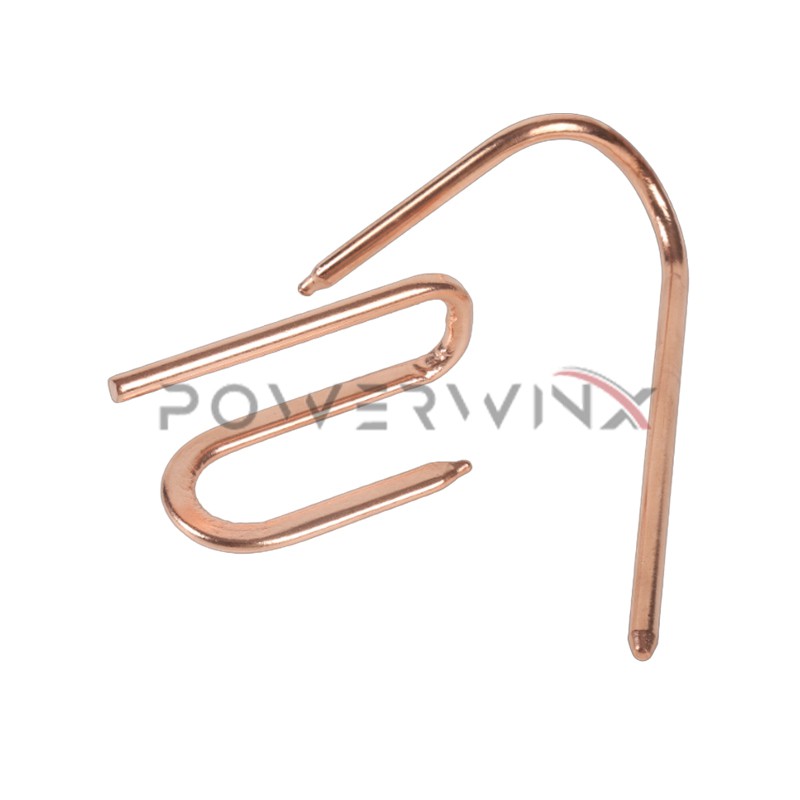
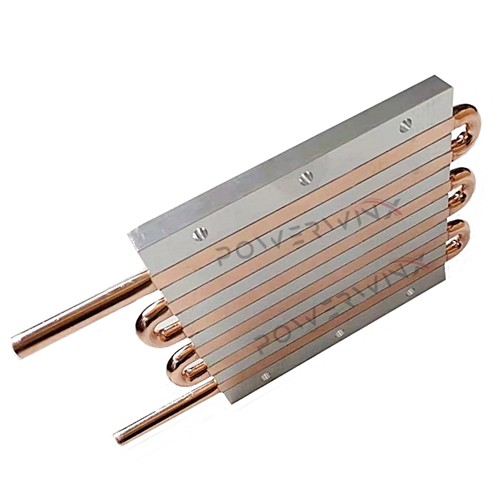
First off, let's quickly go over what a Round Heat Pipe is. A Round Heat Pipe is a sealed tube that contains a working fluid, usually a refrigerant or water. The basic principle behind its operation is pretty simple. When heat is applied to one end (the evaporator section), the working fluid inside the pipe absorbs the heat and turns into vapor. This vapor then travels to the cooler end (the condenser section), where it releases the heat and condenses back into a liquid. The liquid then flows back to the evaporator section through capillary action, and the cycle repeats.
Now, what happens when we introduce a pulsating heat load? A pulsating heat load means that the heat input to the heat pipe is not constant but varies over time. This can happen in a lot of real - world applications, like in some electronic devices where the power consumption fluctuates, or in certain industrial processes.
One of the key things to understand about the heat transfer behavior of a Round Heat Pipe under a pulsating heat load is the response time. The heat pipe needs to be able to quickly adjust to the changes in heat input. If the heat load suddenly increases, the working fluid in the evaporator section needs to start vaporizing faster to absorb the extra heat. Conversely, when the heat load drops, the vaporization rate should decrease.
The thermal inertia of the heat pipe plays a big role here. Thermal inertia is basically how resistant the heat pipe is to changes in temperature. A heat pipe with high thermal inertia will take longer to respond to changes in the heat load. This can lead to temperature fluctuations in the system, which might not be ideal, especially in applications where stable temperatures are crucial.
Another important factor is the capillary structure inside the Round Heat Pipe. The capillary wick is responsible for transporting the condensed liquid back to the evaporator section. Under a pulsating heat load, the flow of the liquid in the wick can be affected. If the heat load changes too rapidly, the capillary forces might not be able to keep up, leading to a phenomenon called dry - out. Dry - out occurs when the liquid in the evaporator section runs out, and the heat pipe loses its ability to transfer heat effectively.
To mitigate these issues, we've been working on optimizing the design of our Round Heat Pipes. For example, we've been experimenting with different types of working fluids and capillary structures. Some working fluids have better thermal properties and can respond more quickly to changes in heat load. And by using advanced capillary wick designs, we can improve the liquid return rate and reduce the risk of dry - out.
Now, let's compare Round Heat Pipes with Flat Heat Pipe. Flat Heat Pipes have a different geometry, which can affect their heat transfer behavior under a pulsating heat load. Flat Heat Pipes generally have a larger surface area for heat transfer, which can be an advantage in some cases. However, they might also have different capillary flow characteristics compared to Round Heat Pipes.
In our experience, Round Heat Pipes are often more suitable for applications where space is limited or where a more compact heat transfer solution is needed. They can also be more flexible in terms of installation, as they can be bent and routed more easily. You can check out more about our Round Heat Pipe on our website.
So, if you're in the market for a heat transfer solution that can handle a pulsating heat load, Round Heat Pipes could be a great option. Whether you're working on an electronic device, an industrial cooling system, or any other application that requires efficient heat management, we've got the expertise and the products to meet your needs.


If you're interested in learning more about our Round Heat Pipes or have any specific requirements, don't hesitate to reach out. We're always happy to have a chat and discuss how we can help you with your heat transfer challenges. Let's start a conversation about how our Round Heat Pipes can be the perfect fit for your project.
References
- Incropera, F. P., & DeWitt, D. P. (2002). Fundamentals of Heat and Mass Transfer. John Wiley & Sons.
- Kakaç, S., & Pramuanjaroenkij, A. (2005). Heat pipes: science and technology. Taylor & Francis.