As a leading supplier of LED heatsinks, I often encounter inquiries about the heat transfer coefficient of these crucial components. Understanding this parameter is essential for optimizing the performance and longevity of LED lighting systems. In this blog post, I'll delve into the concept of the heat transfer coefficient, its significance in LED heatsinks, and how it impacts the overall thermal management of LED applications.
What is the Heat Transfer Coefficient?
The heat transfer coefficient, denoted as h, is a measure of the ability of a material or surface to transfer heat between a solid and a fluid (such as air or water). It quantifies the rate of heat transfer per unit area and per unit temperature difference between the solid surface and the fluid. In simpler terms, it tells us how efficiently heat can be transferred from the LED heatsink to the surrounding environment.
The heat transfer coefficient is influenced by several factors, including the properties of the material, the geometry of the heatsink, the flow rate and properties of the fluid, and the surface conditions. A higher heat transfer coefficient indicates better heat transfer performance, meaning that the heatsink can dissipate heat more effectively.
Importance of the Heat Transfer Coefficient in LED Heatsinks
LEDs are highly efficient light sources, but they still generate a significant amount of heat during operation. Excessive heat can degrade the performance of LEDs, reduce their lifespan, and even cause premature failure. Therefore, effective thermal management is crucial for ensuring the reliability and longevity of LED lighting systems.
The heat transfer coefficient plays a vital role in the thermal management of LED heatsinks. A higher heat transfer coefficient allows the heatsink to transfer heat from the LED to the surrounding environment more quickly, thereby reducing the operating temperature of the LED. This helps to maintain the performance and efficiency of the LED, extend its lifespan, and improve the overall reliability of the lighting system.


Factors Affecting the Heat Transfer Coefficient of LED Heatsinks
Several factors can affect the heat transfer coefficient of LED heatsinks. Here are some of the key factors to consider:
- Material Properties: The thermal conductivity of the heatsink material is a critical factor in determining the heat transfer coefficient. Materials with high thermal conductivity, such as aluminum and copper, are commonly used in LED heatsinks because they can transfer heat more efficiently.
- Geometry and Surface Area: The geometry and surface area of the heatsink also play a significant role in heat transfer. Heatsinks with larger surface areas provide more contact area for heat transfer, which can increase the heat transfer coefficient. Additionally, the shape and design of the heatsink can affect the flow of the fluid around it, which can further enhance heat transfer.
- Fluid Flow: The flow rate and properties of the fluid (usually air) around the heatsink can have a significant impact on the heat transfer coefficient. Forced convection, where the fluid is actively moved over the heatsink surface, can significantly increase the heat transfer coefficient compared to natural convection.
- Surface Conditions: The surface finish and roughness of the heatsink can also affect the heat transfer coefficient. A smooth surface can reduce the resistance to fluid flow, while a rough surface can increase the turbulence and enhance heat transfer.
Measuring the Heat Transfer Coefficient
Measuring the heat transfer coefficient of an LED heatsink can be a complex process that requires specialized equipment and techniques. One common method is to use a thermal test chamber, where the heatsink is placed in a controlled environment and the temperature difference between the heatsink and the surrounding fluid is measured. By applying the principles of heat transfer, the heat transfer coefficient can be calculated based on the measured data.
Another approach is to use computational fluid dynamics (CFD) simulations. CFD simulations can provide detailed insights into the fluid flow and heat transfer processes around the heatsink, allowing engineers to optimize the design and predict the heat transfer coefficient without the need for physical testing.
Improving the Heat Transfer Coefficient of LED Heatsinks
There are several ways to improve the heat transfer coefficient of LED heatsinks. Here are some effective strategies:
- Choose the Right Material: Selecting a heatsink material with high thermal conductivity is essential for maximizing the heat transfer coefficient. Aluminum is a popular choice for LED heatsinks due to its good thermal conductivity, lightweight, and cost-effectiveness.
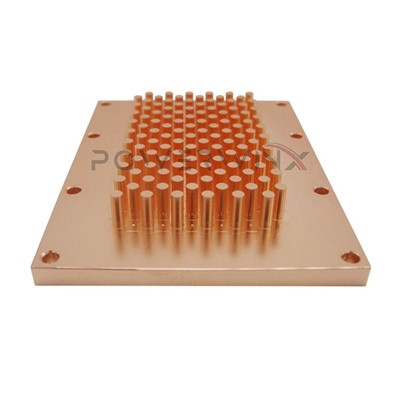
- Optimize the Geometry and Surface Area: Designing the heatsink with a larger surface area and an optimized geometry can significantly increase the heat transfer coefficient. Fins, pins, and other surface enhancements can be used to increase the surface area and improve the flow of the fluid around the heatsink.
- Enhance Fluid Flow: Forced convection can be used to increase the flow rate of the fluid around the heatsink, which can significantly improve the heat transfer coefficient. This can be achieved by using fans, blowers, or other active cooling devices.
- Improve Surface Conditions: A smooth and clean surface can reduce the resistance to fluid flow and improve the heat transfer coefficient. Additionally, applying a thermal interface material (TIM) between the LED and the heatsink can improve the thermal contact and enhance heat transfer.
Our LED Heatsink Products
As a supplier of LED heatsinks, we offer a wide range of products designed to meet the diverse needs of our customers. Our product portfolio includes Aluminum Folded Fin Heat Sink, Brazing Heat Sink, and Extruded Aluminum Heat Sink, among others.
Our heatsinks are made from high-quality materials and are designed with advanced heat transfer technologies to ensure optimal performance and reliability. We also offer custom design and manufacturing services to meet the specific requirements of our customers. Whether you need a standard heatsink or a custom solution, we have the expertise and capabilities to provide you with the best thermal management solution for your LED lighting application.
Contact Us for Procurement and Consultation
If you're interested in learning more about our LED heatsink products or have any questions about heat transfer coefficients and thermal management, please don't hesitate to contact us. Our team of experts is always ready to assist you with your procurement needs and provide you with professional advice and guidance.
We look forward to the opportunity to work with you and help you optimize the thermal performance of your LED lighting systems.
References
- Incropera, F. P., & DeWitt, D. P. (2002). Fundamentals of Heat and Mass Transfer. John Wiley & Sons.
- Holman, J. P. (2002). Heat Transfer. McGraw-Hill.
- Kakac, S., & Pramuanjaroenkij, A. (2005). Handbook of Single-Phase Convective Heat Transfer. John Wiley & Sons.