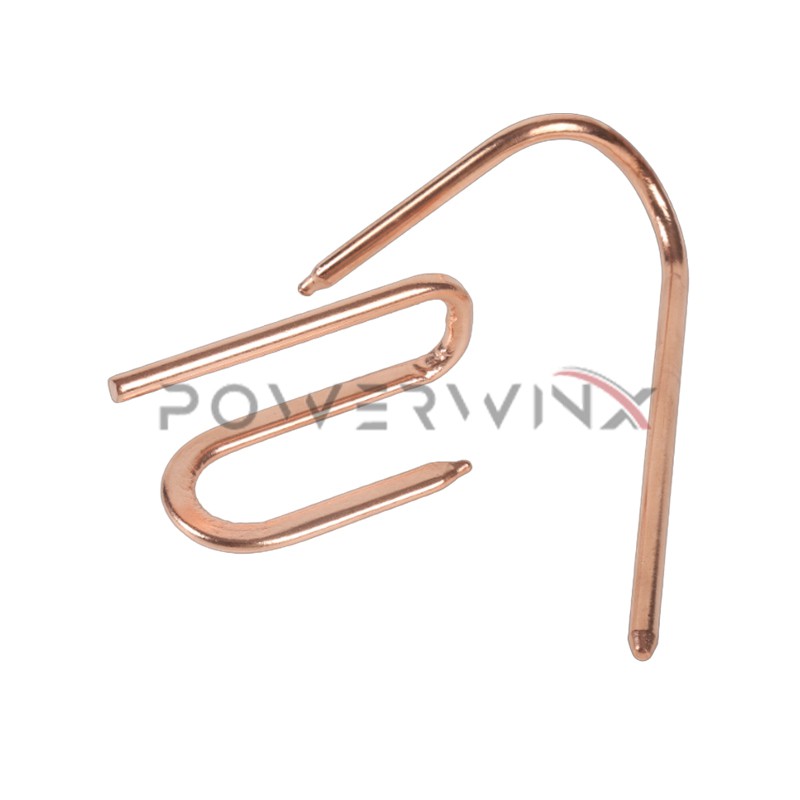
When it comes to soldering, heat sinks play a crucial role in dissipating heat and ensuring the longevity and efficiency of electronic components. As a soldering heat sink supplier, I've had the chance to work with various materials, each with its own set of pros and cons. In this blog, I'll share what materials are commonly used to make soldering heat sinks and why they're a good fit.
Aluminum
Aluminum is hands - down one of the most widely used materials for soldering heat sinks, and it's not hard to see why. First off, it's super lightweight. This is a huge plus, especially in applications where weight is a concern, like in portable electronic devices or aerospace equipment. You don't want to add unnecessary bulk, right?
Another great thing about aluminum is its excellent thermal conductivity. It can transfer heat away from the soldered components pretty quickly. It has a thermal conductivity of around 200 - 240 W/(m·K) depending on the alloy. This means it can keep your components cool, which helps prevent overheating and potential damage.
Aluminum is also relatively inexpensive compared to some other metals. This cost - effectiveness makes it a popular choice for mass - produced heat sinks. You can get a good - quality aluminum heat sink without breaking the bank.
There are different types of aluminum heat sinks available too. For example, Skived Fin Heat Sink. These are made by skiving thin fins from a solid block of aluminum. The skiving process creates very thin and highly efficient fins, which increase the surface area for heat dissipation.
Copper
Copper is another heavy - hitter in the world of heat sink materials. It has an even higher thermal conductivity than aluminum, with a value of about 385 - 400 W/(m·K). This means it can conduct heat even faster, making it ideal for high - power applications. If you've got a soldering job where there's a lot of heat being generated, copper heat sinks are a top pick.
One type of copper heat sink that's quite popular is the Copper Cold Forged Heat Sink. Cold forging is a manufacturing process that shapes the copper under high pressure at room temperature. This results in a heat sink with a very dense and uniform structure, which further enhances its thermal performance.
However, copper does have its drawbacks. It's heavier than aluminum, which might be an issue in some weight - sensitive applications. And it's also more expensive. But if you need the best heat - conducting properties and cost isn't a major concern, copper is the way to go.


Steel
Steel isn't as commonly used as aluminum or copper for soldering heat sinks, but it still has its place. It's known for being very strong and durable. This makes it suitable for applications where the heat sink might be exposed to harsh conditions, like in industrial settings or automotive engines.
Steel has a lower thermal conductivity compared to aluminum and copper, usually in the range of 40 - 60 W/(m·K). But in some cases, its strength and durability can outweigh the lower heat - conducting ability. For example, if the heat load isn't extremely high, a steel heat sink can do the job just fine.
Ceramic
Ceramic heat sinks are a bit of a niche product, but they offer some unique advantages. Ceramics are electrically insulating, which is a huge benefit in applications where electrical isolation is required. You don't have to worry about short - circuits or interference when using a ceramic heat sink.
They also have good heat - resistant properties. Some ceramics can withstand very high temperatures without deforming or losing their thermal performance. However, ceramics can be brittle and are generally more expensive to produce compared to metal heat sinks. So they're usually used in specialized applications, like in some high - end electronics or in situations where electrical insulation is critical.
Composite Materials
Composite materials are becoming more and more popular in the heat sink industry. These are materials made by combining two or more different substances to get the best of both worlds. For example, some composites might combine a metal like aluminum with a polymer.
The advantage of composite materials is that you can customize their properties. You can make them lightweight like aluminum, but also add other features like better electrical insulation or improved corrosion resistance. They're still relatively new in the market, but I think we'll see more of them in the future.
CNC Machined Heat Sinks
CNC Machined Heat Sinks are worth a special mention. These heat sinks can be made from various materials, including aluminum, copper, and steel. CNC (Computer Numerical Control) machining allows for very precise and complex designs. You can create heat sinks with unique shapes and fin geometries that are optimized for maximum heat dissipation. Whether you need a custom - designed heat sink for a specific soldering application or a high - volume production of standard heat sinks, CNC machining can deliver high - quality results.
Conclusion
As a soldering heat sink supplier, I've seen firsthand how different materials can impact the performance of a heat sink. Aluminum is great for its balance of cost, weight, and thermal conductivity. Copper is the go - to for high - power applications where the best heat transfer is needed. Steel offers strength in harsh environments, while ceramics provide electrical insulation. And composite materials are opening up new possibilities for customized heat sink solutions.
If you're in the market for soldering heat sinks, I'd love to talk to you. Whether you're working on a small - scale project or need a large - volume supply, we can help you find the right heat sink made from the most suitable material for your specific needs. Don't hesitate to reach out for a consultation and let's discuss how we can meet your heat sink requirements!
References
- Incropera, F. P., DeWitt, D. P., Bergman, T. L., & Lavine, A. S. (2007). Fundamentals of Heat and Mass Transfer. Wiley.
- Holman, J. P. (2010). Heat Transfer. McGraw - Hill.