Hey there! As a supplier of copper heat pipes, I often get asked if these nifty little devices can be used in data center cooling. Well, let's dive right in and explore this topic.
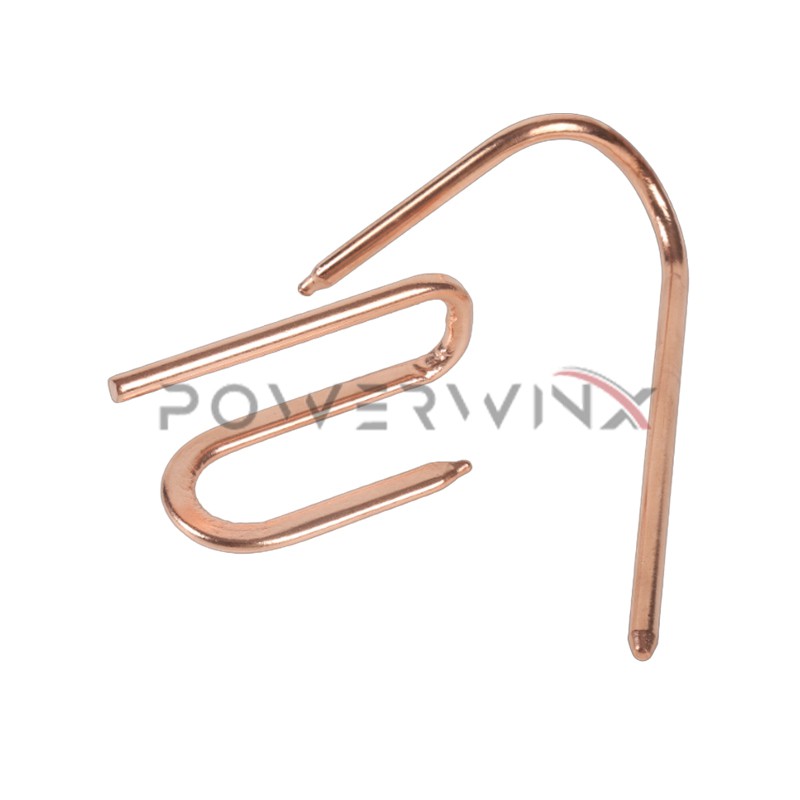
First off, what are copper heat pipes? They're basically heat transfer devices that use the evaporation and condensation of a working fluid inside a sealed copper tube to move heat from one place to another. They're super efficient and have been around for a while in various cooling applications.
Now, data centers are a whole different ballgame. These places are like the nerve centers of the digital world, housing tons of servers that generate a crazy amount of heat. Keeping them cool is crucial to prevent hardware failures and ensure smooth operation.
So, can copper heat pipes cut it in this high - stakes environment? The short answer is yes, and here's why.
Efficiency
One of the biggest advantages of copper heat pipes is their high thermal conductivity. Copper is an excellent conductor of heat, and when combined with the phase - change process inside the heat pipe, it can transfer heat much more effectively than traditional cooling methods. In a data center, where every watt of energy used for cooling counts, this efficiency can lead to significant cost savings.
For example, a server rack in a data center might generate a lot of heat concentrated in specific areas. Copper heat pipes can quickly transfer that heat away from the hot spots and distribute it more evenly, allowing for more efficient cooling. You can check out our Round Heat Pipe for an option that can handle different heat transfer needs.
Compact Design
Data centers are often space - constrained. You've got racks upon racks of servers, and every inch of space matters. Copper heat pipes have a compact design, which means they can be easily integrated into existing cooling systems or new server designs without taking up too much room.
Unlike some bulky cooling units, heat pipes can be customized to fit into tight spaces. Our Flat Heat Pipe is a great example. It's thin and flat, making it ideal for applications where space is at a premium, like in some of the newer, more compact server designs.
Reliability
In a data center, downtime is not an option. You need cooling solutions that are reliable and can operate continuously without fail. Copper heat pipes are known for their durability. They have no moving parts, which means there's less to break down.
The sealed copper tube protects the working fluid inside, and as long as the heat pipe is properly manufactured and installed, it can last for a long time. This reliability is crucial in a data center environment where any cooling system failure could lead to costly downtime.
Low Maintenance
Maintenance in a data center can be a hassle. You've got to shut down systems, which can disrupt operations, and it can be expensive. Copper heat pipes require very little maintenance. Since they have no moving parts, there's no need for regular lubrication or replacement of components.

Once installed, they can pretty much run on their own, which is a huge plus for data center operators looking to keep their maintenance costs down.
Compatibility
Copper heat pipes can be easily integrated with other cooling technologies. For example, they can work in conjunction with air - cooling systems or liquid - cooling systems. This flexibility allows data center operators to design a cooling solution that best fits their specific needs.
If you're using an air - cooling system, heat pipes can help pre - cool the air before it reaches the servers, making the overall cooling process more efficient. And if you're using a liquid - cooling system, heat pipes can transfer heat from the servers to the liquid more effectively.
Challenges
Of course, it's not all sunshine and rainbows. There are some challenges when using copper heat pipes in data centers. One of the main challenges is the initial cost. Copper heat pipes can be more expensive than some traditional cooling methods. However, when you consider the long - term savings in energy costs and maintenance, the investment can pay off.
Another challenge is the need for proper installation. If a heat pipe is not installed correctly, it may not work as efficiently as it should. That's why it's important to work with a supplier who can provide installation support and guidance.
Real - World Applications
There are already many data centers around the world that are using copper heat pipes in their cooling systems. For instance, some large - scale cloud computing data centers have started to adopt heat pipes to improve the efficiency of their server cooling.
These data centers have seen significant improvements in energy consumption and server performance. By using copper heat pipes to transfer heat more effectively, they've been able to reduce the load on their cooling systems and keep their servers running at optimal temperatures.
Conclusion
So, to sum it up, copper heat pipes can definitely be used in data center cooling. They offer high efficiency, a compact design, reliability, low maintenance, and compatibility with other cooling technologies. While there are some challenges, the benefits far outweigh the drawbacks.
If you're a data center operator looking for a better cooling solution, or if you're in the business of designing server equipment and need a more efficient way to manage heat, I'd highly recommend considering copper heat pipes.
We're here as your copper heat pipe supplier, ready to provide you with the best products and support. If you're interested in learning more or want to discuss a potential purchase, don't hesitate to reach out. We can work together to find the right copper heat pipe solution for your data center cooling needs.
References
- "Thermal Management in Data Centers" - A research paper on the latest trends in data center cooling technologies.
- "The Basics of Heat Pipes" - An industry - standard guide on the principles and applications of heat pipes.