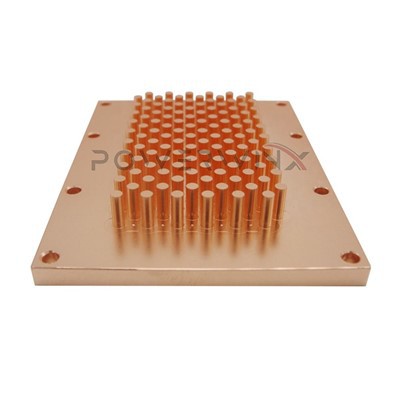
Zipper fin heat sinks are a popular choice for thermal management in various industries due to their high efficiency and compact design. However, their performance can be significantly affected by the operating environment, especially in conditions with high levels of humidity and dust. As a trusted supplier of zipper fin heat sinks, we understand the importance of these factors and have conducted extensive research to ensure our products can withstand such challenging conditions.
Impact of High Humidity on Zipper Fin Heat Sinks
High humidity can have several adverse effects on zipper fin heat sinks. One of the primary concerns is corrosion. When moisture in the air comes into contact with the metal surfaces of the heat sink, it can initiate a chemical reaction that leads to the formation of rust and other corrosion products. This not only degrades the appearance of the heat sink but also reduces its thermal conductivity, as corrosion layers act as insulators and impede the transfer of heat.


In addition to corrosion, high humidity can also cause electrical issues. Moisture can accumulate on the heat sink's surface and seep into the electrical components, leading to short circuits and other malfunctions. This is particularly problematic in electronic devices where even a small amount of moisture can cause significant damage.
To mitigate the effects of high humidity, we use high-quality materials and advanced manufacturing techniques in the production of our zipper fin heat sinks. For example, we often select corrosion-resistant metals such as aluminum alloys or stainless steel, which are less prone to rusting. We also apply special coatings to the heat sink surfaces to provide an additional layer of protection against moisture. These coatings can act as a barrier, preventing water from coming into direct contact with the metal and reducing the risk of corrosion.
Impact of High Dust Levels on Zipper Fin Heat Sinks
Dust is another environmental factor that can affect the performance of zipper fin heat sinks. When dust particles accumulate on the heat sink's fins, they can block the airflow and reduce the heat transfer efficiency. This is because the fins are designed to increase the surface area available for heat dissipation, and any obstruction to the airflow can disrupt the natural convection process.
Moreover, dust can also act as an insulator, trapping heat within the heat sink and preventing it from being effectively dissipated. Over time, this can lead to overheating of the electronic components, which can reduce their lifespan and reliability.
To address the issue of dust accumulation, our zipper fin heat sinks are designed with wide fin spacing and smooth surfaces. This allows for better airflow and makes it easier for dust to be blown away by the cooling fans. We also recommend regular maintenance and cleaning of the heat sinks to remove any accumulated dust. This can be done using compressed air or a soft brush to gently remove the dust from the fins.
Case Studies and Performance Testing
To demonstrate the performance of our zipper fin heat sinks in high humidity and dust environments, we have conducted several case studies and performance tests. In one such study, we installed our heat sinks in a manufacturing facility with high levels of humidity and dust. The facility was producing electronic components, and the heat sinks were used to cool the power modules.
Over a period of several months, we monitored the temperature of the power modules and the performance of the heat sinks. We found that our zipper fin heat sinks maintained a stable temperature, even in the challenging environment. The corrosion-resistant materials and coatings effectively protected the heat sinks from rusting, and the wide fin spacing allowed for efficient airflow, preventing dust from accumulating on the fins.
In another performance test, we compared the performance of our zipper fin heat sinks with other types of heat sinks, such as Brazing Heat Sink and Stainless Steel Folded Fin Heat Sink, in a controlled environment with high humidity and dust. The results showed that our zipper fin heat sinks outperformed the other heat sinks in terms of thermal efficiency and durability.
Advantages of Our Zipper Fin Heat Sinks
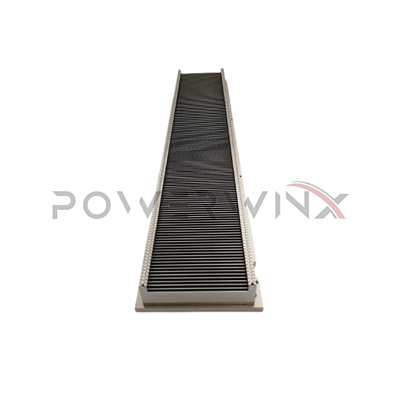
Our zipper fin heat sinks offer several advantages over other types of heat sinks, especially in high humidity and dust environments. Firstly, their unique design allows for high heat transfer efficiency, even in compact spaces. The zipper-like structure of the fins increases the surface area available for heat dissipation, while the wide fin spacing ensures good airflow.
Secondly, our heat sinks are made from high-quality materials and are manufactured using advanced techniques, which makes them highly resistant to corrosion and wear. This ensures a long lifespan and reliable performance, even in harsh environments.
Thirdly, we offer a wide range of customization options for our zipper fin heat sinks. We can tailor the size, shape, and fin density of the heat sinks to meet the specific requirements of our customers. This allows us to provide the most effective thermal management solutions for different applications.
Conclusion
In conclusion, zipper fin heat sinks can perform well in environments with high levels of humidity and dust, provided that they are properly designed and manufactured. As a leading supplier of zipper fin heat sinks, we are committed to providing our customers with high-quality products that can withstand the challenges of these harsh environments. Our heat sinks are designed to offer high thermal efficiency, durability, and reliability, making them an ideal choice for a wide range of applications.
If you are looking for a reliable thermal management solution for your electronic devices or industrial equipment, we invite you to contact us for a detailed discussion about your requirements. Our team of experts will be happy to assist you in selecting the most suitable zipper fin heat sink for your application and provide you with a competitive quote.
References
- Incropera, F. P., & DeWitt, D. P. (2002). Fundamentals of Heat and Mass Transfer. John Wiley & Sons.
- Kreith, F., & Bohn, M. S. (2001). Principles of Heat Transfer. Cengage Learning.
- Holman, J. P. (2002). Heat Transfer. McGraw-Hill.