Composite - material LED heatsinks have emerged as a revolutionary solution in the field of thermal management for LED lighting systems. As a leading supplier of LED heatsinks, I am excited to delve into the properties that make composite - material LED heatsinks a game - changer in the industry.
Thermal Conductivity
One of the most crucial properties of composite - material LED heatsinks is their thermal conductivity. Unlike traditional heatsinks made of single - material such as pure aluminum or copper, composite materials can be engineered to have optimized thermal conductivity. The combination of different materials allows for the creation of a heat - transfer path that can efficiently move heat away from the LED source.
For instance, some composite materials may incorporate highly conductive particles like carbon nanotubes or graphite within a polymer matrix. These conductive particles act as thermal bridges, enhancing the overall thermal conductivity of the composite. The ability to fine - tune the thermal conductivity of composite - material heatsinks is a significant advantage, as it can be tailored to the specific heat - dissipation requirements of different LED applications. Whether it's a high - power LED fixture for industrial lighting or a small - scale LED display, composite - material heatsinks can be designed to provide the appropriate level of thermal management.
Lightweight
Weight is a critical factor in many LED applications, especially those where portability or ease of installation is important. Composite - material LED heatsinks are generally much lighter than their metal counterparts. This is because composite materials often use polymers or lightweight fibers as a base, which significantly reduces the overall weight of the heatsink.
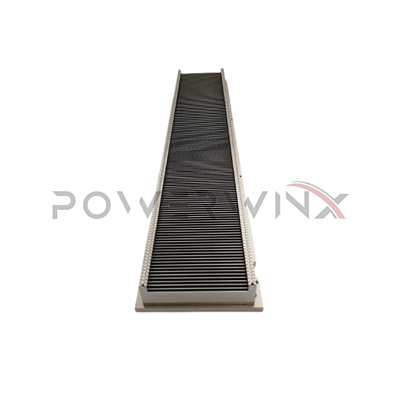
For example, an Aluminum Stacked Fin Heat Sink made of pure aluminum can be relatively heavy, especially for larger - sized units. In contrast, a composite - material heatsink with a similar heat - dissipation capacity can be up to 50% lighter. This lightweight property not only makes the installation process easier but also reduces the load on the mounting structure, which can be beneficial in applications such as ceiling - mounted LED lights or mobile LED lighting systems.
Corrosion Resistance
LED lighting systems are often exposed to various environmental conditions, including moisture, humidity, and chemicals. Corrosion can significantly degrade the performance and lifespan of a heatsink. Composite - material LED heatsinks offer excellent corrosion resistance compared to traditional metal heatsinks.
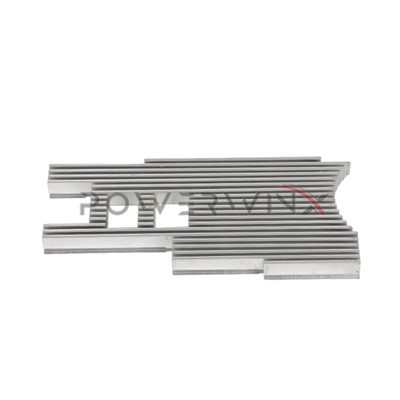
The polymer or resin matrix in composite materials acts as a protective barrier against corrosive agents. For example, in outdoor LED lighting applications where the heatsink may be exposed to rain, snow, and salt spray, a composite - material heatsink will not rust or corrode like an Extruded Heat Sink made of aluminum or steel. This corrosion resistance ensures that the heatsink maintains its thermal performance over a long period, reducing the need for frequent replacements and maintenance.
Design Flexibility
Composite materials offer a high degree of design flexibility, which is a major advantage in the development of LED heatsinks. Unlike metals, which are often limited by the manufacturing processes such as extrusion or machining, composite materials can be molded into complex shapes.
This allows for the creation of heatsinks with unique geometries that can enhance heat dissipation. For example, composite - material heatsinks can be designed with integrated fins, channels, or other heat - transfer enhancing features in a single molding process. Moreover, the ability to mold composite materials also enables the incorporation of additional functions into the heatsink design. For instance, a composite - material heatsink can be molded to include mounting brackets or electrical insulation features, reducing the need for additional components and simplifying the overall LED lighting system design.
Electrical Insulation
In some LED applications, electrical insulation is required to prevent electrical shorts or interference. Composite - material LED heatsinks can be engineered to have excellent electrical insulation properties. The polymer matrix in composite materials is typically a poor conductor of electricity, providing a natural insulation layer.
This is particularly important in applications where the heatsink is in close proximity to electrical components. For example, in LED driver modules, a composite - material heatsink can act as both a heat - dissipating component and an electrical insulator, reducing the risk of electrical malfunctions and improving the overall safety of the system. In contrast, metal heatsinks often require additional insulation measures, which can add to the cost and complexity of the design.


Cost - Effectiveness
When considering the overall cost of an LED lighting system, composite - material LED heatsinks can offer significant cost - savings. Although the initial material cost of composite materials may be slightly higher than some metals, the long - term benefits outweigh the upfront investment.
The lightweight nature of composite - material heatsinks reduces transportation costs, and their corrosion resistance and long lifespan reduce maintenance and replacement costs. Additionally, the design flexibility of composite materials allows for more efficient manufacturing processes, which can further reduce production costs. For example, the ability to mold complex shapes in a single process eliminates the need for multiple machining operations, which are often time - consuming and expensive for metal heatsinks. A CNC Machined Aluminum Heat Sink requires precise machining operations, which can drive up the cost, while a composite - material heatsink can be produced more economically through molding.
Noise Reduction
In some LED applications, such as in quiet indoor environments or in areas where noise pollution is a concern, the noise generated by a heatsink can be a problem. Composite - material LED heatsinks can contribute to noise reduction. The polymer or resin matrix in composite materials can absorb vibrations and reduce the transmission of sound.
This is in contrast to metal heatsinks, which can act as sound conductors and amplify vibrations. For example, in a silent office environment, an LED lighting system with a composite - material heatsink will produce less noise compared to one with a metal heatsink, providing a more comfortable and quiet working environment.
Thermal Expansion Compatibility
LED components and other materials in an LED lighting system may have different thermal expansion coefficients. Mismatched thermal expansion can lead to mechanical stress, which can cause damage to the components over time. Composite - material LED heatsinks can be designed to have a thermal expansion coefficient that is compatible with the other materials in the system.
By carefully selecting the materials and the composition of the composite, the thermal expansion behavior of the heatsink can be controlled. This ensures that the heatsink expands and contracts in a similar manner to the LED components and other surrounding materials, reducing the risk of mechanical failure and improving the overall reliability of the LED lighting system.
Conclusion
Composite - material LED heatsinks offer a wide range of properties that make them an ideal choice for modern LED lighting applications. Their high thermal conductivity, lightweight, corrosion resistance, design flexibility, electrical insulation, cost - effectiveness, noise reduction, and thermal expansion compatibility set them apart from traditional heatsinks.
As a supplier of LED heatsinks, I am committed to providing high - quality composite - material heatsinks that meet the diverse needs of our customers. Whether you are an LED lighting manufacturer looking for a reliable thermal management solution or an end - user in need of an efficient and durable LED lighting system, we can offer the right composite - material heatsink for your application.
If you are interested in learning more about our composite - material LED heatsinks or would like to discuss a specific project, please feel free to contact us. We are ready to engage in procurement discussions and work with you to find the best thermal management solution for your LED lighting needs.
References
- "Thermal Management in LED Lighting Systems", IEEE Transactions on Components, Packaging and Manufacturing Technology.
- "Advanced Composite Materials for Thermal Applications", Journal of Materials Science.
- "Design and Optimization of LED Heatsinks", Proceedings of the International Conference on Lighting Technology.