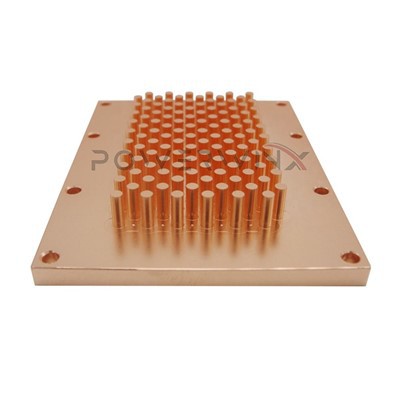
As a supplier of stamped fin heat sinks, I've witnessed firsthand the importance of these components in various thermal management applications. One factor that often goes unnoticed but can significantly impact the performance of a stamped fin heat sink is dust. In this blog post, I'll delve into the influence of dust on the performance of a stamped fin heat sink, and why it's crucial to address this issue.
How Dust Accumulates on Stamped Fin Heat Sinks
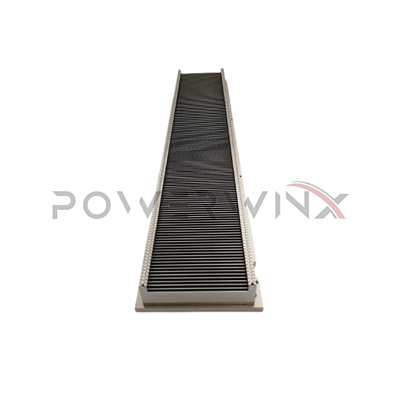
Stamped fin heat sinks are commonly used in electronic devices, industrial equipment, and automotive applications to dissipate heat. These heat sinks typically consist of a base and a series of fins that increase the surface area for heat transfer. However, the open design of the fins makes them vulnerable to dust accumulation.
Dust can enter the system through various means, such as air intake vents, fans, or simply through normal environmental exposure. Once inside the system, the dust particles are attracted to the heat sink's fins due to electrostatic forces and the airflow patterns around the heat sink. Over time, these dust particles build up on the fins, forming a layer of dust that can impede the heat transfer process.
The Impact of Dust on Heat Transfer
The primary function of a stamped fin heat sink is to transfer heat from the heat source to the surrounding environment. This is achieved through a combination of conduction, convection, and radiation. However, when dust accumulates on the fins, it acts as an insulator, reducing the efficiency of heat transfer.
- Conduction: Dust has a low thermal conductivity compared to the metal fins of the heat sink. As a result, the layer of dust on the fins creates a thermal barrier that hinders the transfer of heat from the base of the heat sink to the fins. This can lead to an increase in the temperature of the heat source, which can cause performance issues or even damage to the electronic components.
- Convection: Convection is the process by which heat is transferred through the movement of air. The fins of a stamped fin heat sink are designed to enhance convection by increasing the surface area available for air to flow over. However, when dust accumulates on the fins, it restricts the airflow, reducing the convective heat transfer coefficient. This means that less heat is transferred from the fins to the surrounding air, resulting in a higher operating temperature.
- Radiation: Radiation is the transfer of heat through electromagnetic waves. While radiation plays a relatively minor role in the heat transfer process of a stamped fin heat sink, dust can still have an impact. The layer of dust on the fins can absorb and scatter the radiated heat, reducing the amount of heat that is transferred to the surrounding environment.
Other Effects of Dust on Stamped Fin Heat Sinks
In addition to reducing the efficiency of heat transfer, dust can also have other negative effects on stamped fin heat sinks.
- Corrosion: Dust can contain moisture and other contaminants that can cause corrosion on the surface of the heat sink. Corrosion can weaken the fins, reducing their structural integrity and increasing the risk of failure.
- Noise: As dust accumulates on the fins, it can cause the fans in the system to work harder to maintain the required airflow. This can result in increased noise levels, which can be a nuisance in some applications.
- Clogging: In severe cases, dust can accumulate to the point where it clogs the fins, completely blocking the airflow. This can lead to a significant increase in the temperature of the heat source, potentially causing a system shutdown or damage to the electronic components.
Preventing and Mitigating the Effects of Dust
To ensure the optimal performance of stamped fin heat sinks, it's important to take steps to prevent and mitigate the effects of dust.
- Filtration: One of the most effective ways to prevent dust from entering the system is to use air filters. Air filters can be installed at the air intake vents of the system to trap dust particles before they reach the heat sink. Regularly replacing the air filters is essential to maintain their effectiveness.
- Cleaning: Regular cleaning of the stamped fin heat sinks can help to remove the accumulated dust and restore their performance. This can be done using compressed air, a soft brush, or a vacuum cleaner. It's important to use caution when cleaning the heat sinks to avoid damaging the fins.
- Sealing: Sealing the system can help to prevent dust from entering. This can be achieved by using gaskets, seals, and enclosures to create a dust-tight environment.
Related Products
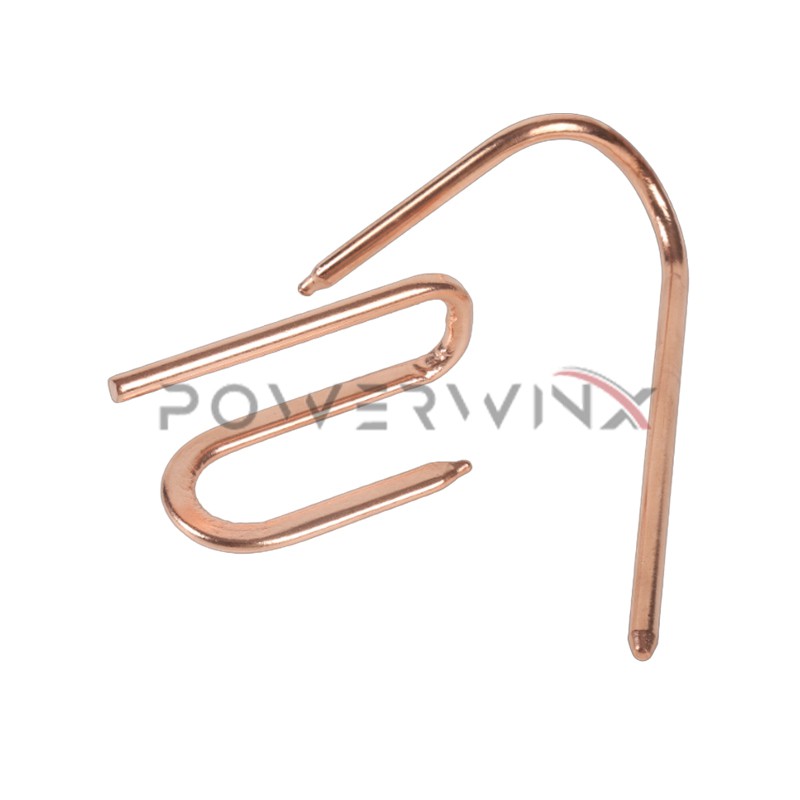
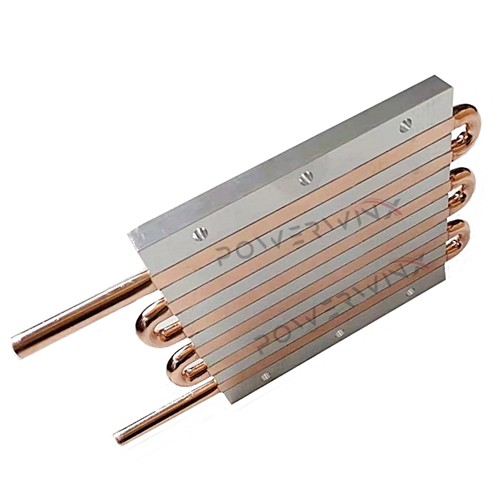
If you're looking for alternative heat sink solutions, we also offer a range of other products, including Copper Cold Forged Heat Sink, Heat Pipe Heat Sink, and Soldering Heat Sink. These products are designed to provide efficient heat transfer in various applications and can be customized to meet your specific requirements.


Conclusion
Dust can have a significant impact on the performance of stamped fin heat sinks. By understanding how dust accumulates and its effects on heat transfer, you can take steps to prevent and mitigate these issues. Whether you choose to use air filters, clean the heat sinks regularly, or opt for alternative heat sink solutions, it's important to ensure that your thermal management system is operating at its best.
If you're interested in learning more about our stamped fin heat sinks or other thermal management products, or if you have any questions or need assistance with your thermal management needs, please feel free to contact us. We're here to help you find the best solution for your application.
References
- Incropera, F. P., & DeWitt, D. P. (2002). Fundamentals of Heat and Mass Transfer. John Wiley & Sons.
- Holman, J. P. (2002). Heat Transfer. McGraw-Hill.